The Neuroscience of Addiction explains why people say “I want to stop” yet feel pulled back by forces inside their own brain.
Neuroscience reveals that willpower fails not because people are weak with an addiction, but because their brain rewired itself for survival.
The real villain is not the person, but the changes happening inside the brain.
Pain overwhelmed the brain. Stress pushed it further. Trauma left patterns the brain began repeating on its own. The system that helps you feel joy shifted. The system that stores memories held on to triggers that push the person back toward the substance or behavior they are trying to escape. Emotions stayed high. Clear thinking faded. And the nervous system got stuck in survival mode with no way out.
People look at the behavior and blame the person. They miss the injured brain. They miss the overloaded networks. They miss the trapped nervous system that fires alarms all day and all night.
They say, “Try harder,” but the person already tried. They say, “Have discipline,” but discipline cracks when the brain feels danger. They say, “Use willpower,” but willpower breaks when the brain fights its own biology.
Nothing is wrong with the person.
Something happened inside the person. Something shaped the brain into a state that no amount of grit could undo.
Here is the part most families never hear. Here is the hope most people never receive.
The same brain that wired itself into addiction can wire itself out. The same networks that broke can heal.
The brain is not the enemy. The brain is the battleground. And when we understand what changed inside the brain, we finally see the path back to strength, clarity, connection, and the person they once knew.
This is the moment the story shifts from blame to understanding, from shame to science, from fear to hope.
The Villain: What Addiction Does Inside the Brain
Addiction and the brain is one of the most misunderstood topics in mental health. People see the behavior and blame the person, but the Neuroscience of Addiction shows a different enemy at work. Addiction does not rise from weakness. It rises from wiring.
Addiction begins when the brain tries to cope with something it can no longer hold. Stress stacks. Pain goes unprocessed. Trauma repeats in loops. The brain reaches for relief, and the relief becomes a pattern that feels safer than the pain that came before it.
Inside the brain, the emotional network fires first, then the memory network, then the stress network, then the reward network. Each of them pulls the next forward until the brain loses balance and rhythm.
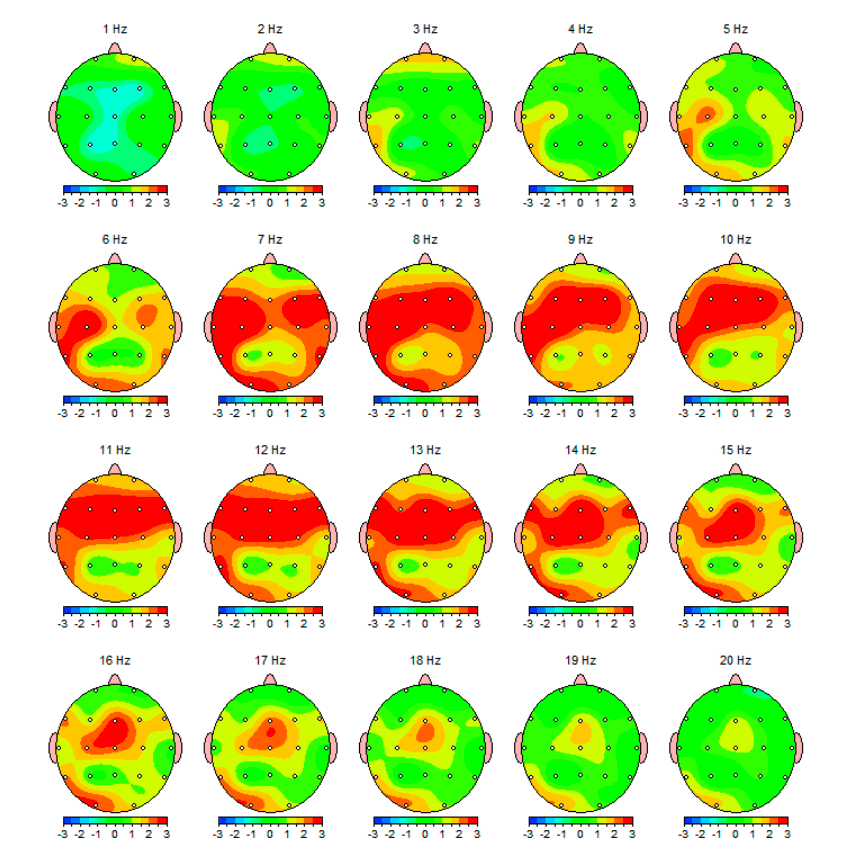
When these networks break rhythm, qEEG Brain Mapping can show which areas are overactive, under-active, or struggling to communicate. Seeing these patterns helps people understand what their brain is fighting inside.
The reward system shifts. The frontal lobes weaken. The nervous system locks into survival mode. Life stops feeling good on its own.
Only relief feels normal.
As dopamine levels crash, the brain starts reaching for anything that lights the system up again. The person is not chasing pleasure. They are chasing equilibrium. They are chasing a moment where the world quiets down.
At the same time, impulse control drops. The frontal lobes, which help you pause and think, lose power. This is why people say, “I do not know why I did that.” Their logic stayed intact, but the wiring that controls impulses stopped working the way it used to.
Then stress floods the system. The senses sharpen. Emotions spike. Pain feels louder. Everything inside the brain becomes more intense. When the nervous system moves into survival mode and cannot exit, even small triggers feel like threats.
This is not a choice.
This is physiology.
The more these networks fire, the stronger they become. The brain reinforces the path it uses most. Cravings become automatic. Stress becomes default. Escape becomes instinct. The pattern becomes the brain’s new normal.
The person tries to stop. They want to stop. They promise to stop.
But the wiring pulls them back. Not because they do not care. Not because they lack strength. Because their brain rewired itself to survive.
Survival always outruns willpower.
The Neuroscience of Addiction: Why Willpower Isn’t Enough
The Neuroscience of Addiction shows why willpower breaks under the weight of rewired circuits. People do not relapse because they lack strength. They relapse because their brain has changed its rules and their nervous system no longer plays by the old ones.
Every repetition reinforces the addiction pathway. The brain fires the same network again and again until that network becomes dominant. What once felt like a choice now fires like a reflex.
The frontal lobes lose power. The reward system loses balance. The stress system locks into survival. These are not small changes. These are structural shifts that push the brain toward what feels familiar instead of what feels healthy.
Survival always overrides discipline. Wiring always overrides intention.
People fight cravings with everything they have. They try to think their way out. They try to reason their way out. They try to muscle through the urges, but the brain they are fighting is the brain they are using to fight.
The person is not the problem. The biology is the barrier.
When dopamine drops, the brain becomes desperate for anything that lifts it. When impulse control weakens, behavior moves faster than thought. When stress rises, the nervous system floods the body with signals that feel impossible to ignore.
This is why people say, “I do not know why I did it.” Because the brain acted before the person could.
Willpower is a good tool. It is not a recovery plan.
Addiction and the brain follow a simple law. The brain gets better at whatever it repeats. If the brain repeats addiction patterns, those patterns take root.
The good news is simple. If the brain repeats healing patterns, those patterns take root too.
The person never needed more grit. They needed a brain that could support the change they wanted.
How Addiction Impacts Families
Addiction and the brain does not stay inside one person. It spreads into every room and every relationship. The Neuroscience of Addiction helps us see how the changes inside one brain create shockwaves that shape an entire home.
When addiction takes over the reward system, the brain begins to prioritize relief over connection. The person is not choosing the addiction over their family. The rewired brain is choosing the fastest path out of stress, pain, or emotional overload. Families see distance and think it is personal, but it is neurological.
When the frontal lobes weaken, presence fades. Conversations shorten. Patience thins. Parenting loses warmth. A spouse feels replaced by cravings that do not wait for the right time. The brain that once managed responsibility now fights impulses it cannot slow down.
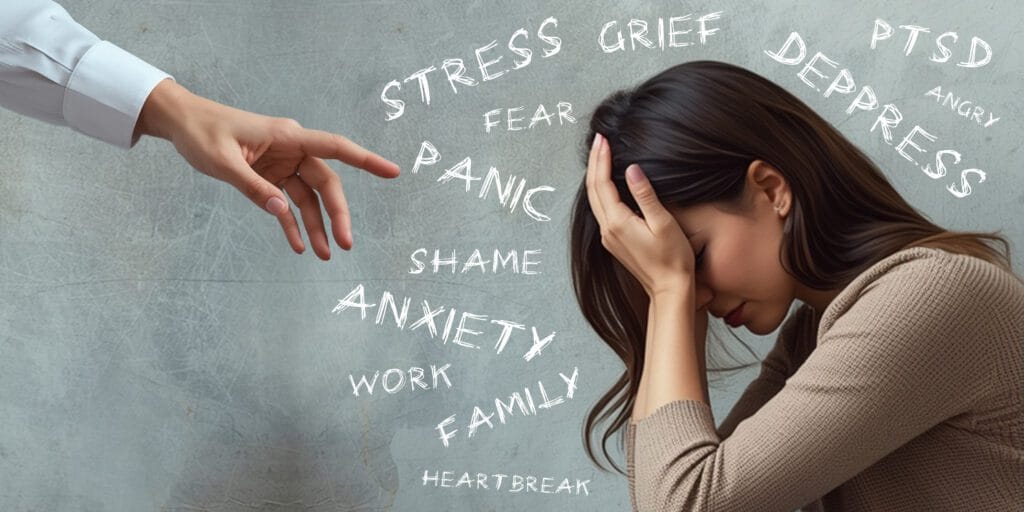
Children feel this shift the most. They sense the tension in the air long before anyone speaks. They watch a parent disappear into numbness, irritability, or fog. They try to fill the space that the addiction now occupies. Kids do not say the words, but their nervous systems carry the weight.
Stress in one brain creates stress in all the others. Survival mode spreads. Connection breaks.
A partner starts to over-function. They carry the load. They lie to protect. They soften blow after blow. Their nervous system burns out from trying to cover the gaps that the addiction leaves behind. Love stays strong, but capacity collapses.
Families try to pull the person back. They try logic. They try begging. They try anger. They try silence. None of it works, because they are appealing to the heart while the addiction lives in the wiring.
The family is not fighting the person. They are fighting the same villain the person is fighting. They just do not know it.
The Neuroscience of Addiction brings clarity into the chaos. It shows families that they are not losing someone. They are watching someone struggle inside a brain that lost control of itself. And this understanding shifts blame into compassion and fear into direction.
The pain is real. The damage is real. But the story does not end here.
Healing inside one brain creates healing inside the family. When the brain rewires toward balance, presence returns. Warmth returns. Connection rebuilds. The house begins to breathe again.
Families break when the brain breaks. Families heal when the brain heals.
How Addiction and the Brain Can Change: The Healing Process Explained
The Neuroscience of Addiction shows something most people never learn. Addiction and the brain are not stuck. The same pathways that wired themselves into addiction can wire themselves into recovery. The brain is not broken. The brain is adapting. And what the brain adapts to, the brain can also outgrow.
Healing begins when the nervous system steps out of survival mode. The brain cannot rebuild when it feels threatened. When stress drops and regulation improves, the brain stops reacting and starts repairing. Therapies that calm the stress response help open this door. This includes practices that activate the parasympathetic system and lower the sympathetic tone that makes everything feel more intense.
The frontal lobes strengthen next. Impulse control returns. Pause becomes possible again.
This is where certain brain based tools support healing. TMS helps stimulate frontal lobe activity and improves the networks that manage decision making and self control. When these circuits fire in healthier patterns, the person gains back the ability to think before reacting and choose the path they want instead of the one addiction trained them to follow.
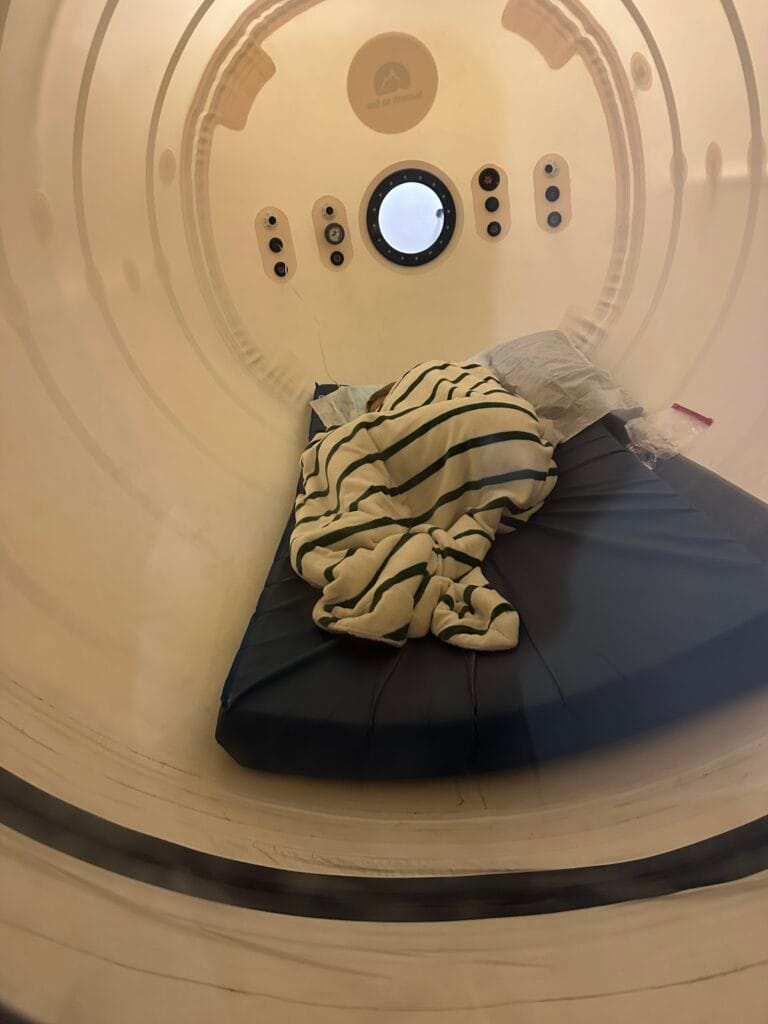
The reward system begins to reset after that. Addiction trains the brain to depend on dopamine spikes. During recovery, the brain learns balance again. Therapies that support oxygenation and inflammation reduction, like hyperbaric oxygen therapy or photobiomodulation, help the brain restore energy production. A well fueled brain stabilizes dopamine, making motivation more natural and pleasure more real without shortcuts.
Emotion and memory networks follow. Old triggers lose power. Past pain stops hijacking the present.
As the brain gains energy and clarity, these deeper networks reorganize. People feel calmer. Emotions settle. Thinking clears. They respond instead of getting pulled into automatic reactions. This is where true change shows up in daily life.
The nervous system learns safety. Safety becomes the baseline. Healing becomes the new pattern the brain practices.
The Neuroscience of Addiction teaches that the brain grows through repetition. During addiction, it repeated stress, craving, and escape. During healing, it repeats calm, clarity, and control. Therapies do not replace willpower. They make willpower possible.
This is not luck. This is neuroplasticity. This is biology.
Addiction and the brain is not a story of broken people. It is a story of injured wiring. And when the wiring heals, the person returns. Families see the difference. Hope takes root again.
The brain can heal. The brain wants to heal. And when the brain begins to heal, recovery becomes real.
What Real Recovery Looks Like Through the Neuroscience of Addiction
The Neuroscience of Addiction gives a clear picture of what real recovery looks like. Recovery is not just stopping the behavior. Recovery is the moment the brain begins to work the way the person always hoped it would. Addiction and the brain lose their grip when the wiring shifts back toward balance and control.
Recovery starts with regulation. The nervous system finally stops firing alarms and begins to feel safe again. When safety rises, cravings fall. When safety rises, thinking clears. When safety rises, the person gains the strength to make choices instead of reacting to impulses they never wanted.
Recovery feels like this. Thoughts slow down. Breath gets deeper. Life stops feeling like a threat.
Connection becomes easier. Clarity becomes easier. Calm becomes easier.
And the person who once felt lost begins to return to themselves. Families see it in the eyes before they hear it in the words. They see warmth. They see presence. They see the person they love rising again from inside the brain that once trapped them.
The Neuroscience of Addiction teaches a simple truth. Recovery is not a fight against the person. Recovery is a process inside the brain. When the brain finds balance, the person finds freedom. When the brain heals, the story changes.
Recovery is not perfect. Recovery is progress. Recovery is rewiring.
And step by step, circuit by circuit, the brain rebuilds the life addiction tried to take.
The Neuroscience of Addiction Points to Real Hope
The Neuroscience of Addiction shows a truth many people never learn. The villain was never the person. The villain lived in the wiring. Addiction and the brain created patterns the person never wanted and could not escape, no matter how hard they tried.
When we understand addiction through the brain, everything becomes clearer. We stop blaming the person and start recognizing the injury. We stop asking why willpower failed and start seeing how the brain was fighting to survive. We stop judging the struggle and start understanding the biology underneath it.
The hope is simple. The brain can heal. The brain wants to heal. The brain is designed to change.
The same pathways that once drove craving and escape, can grow into pathways for calm, clarity, and control. The networks that once trapped a person can become the networks that free them. Healing is not accidental. Healing is the direction a supported brain naturally moves.
Families heal when the brain heals. Homes change when the wiring changes. People rise when their biology begins to work with them instead of against them.
Addiction is not the final chapter. It is the turning point. It is the moment before the healing begins.
The Neuroscience of Addiction leads to one unshakable truth.
When the brain heals, the person returns.
And when the person returns, hope becomes real again.
Disclaimer: This content is for informational purposes only and does not constitute medical advice. Please consult with a licensed healthcare provider. Genesis Brain Institute is a Brain Treatment Center in Tampa offering non-pharmaceutical solutions that bring clarity, restore function, and offer real hope for those who feel lost, stuck, or simply want more from life.