
If you feel stuck in you own brain, pay attention as we review how to increase neuroplasticity and calming the nervous system can help you feel unstuck.
You may want better focus, clearer thinking, emotional balance, or lasting change, yet no matter how hard you try, your brain seems locked in the same patterns.
Dr. Emily Kalambaheti explains that this is not a lack of effort or discipline. It is often the result of a nervous system that is stuck in a stress response. When the nervous system stays activated, the brain shifts into survival mode, and learning, adaptation, and growth become limited.
Neuroplasticity, the brain’s ability to change and form new pathways, depends on first feeling safe and regulated.
In this post, we’ll share why calming the nervous system is not about relaxation alone, it is the foundation that allows the brain to train, learn, and change in a meaningful and lasting way.
How to Increase Neuroplasticity Starts With the Nervous System
Neuroplasticity is not something the brain can access on demand. The brain does not change simply because someone wants it to. For learning and adaptation to occur, the nervous system must first be in the right state. When the nervous system is calm and regulated, the brain has access to what’s required for learning. When the nervous system is stressed, the brain shifts into survival mode, and growth becomes limited.
Many people try to improve focus, memory, or emotional control while their nervous system is still under constant stress. In that state, the brain is busy monitoring for danger rather than creating new pathways. This is why effort alone often fails. Neuroplasticity does not happen through willpower. It happens when the nervous system feels safe enough to learn.
Calm the Nervous System to Allow the Brain to Change
According to Dr. Emily, stress keeps the nervous system in a sympathetic state, often called fight or flight. In this state, the brain is reactive rather than adaptive. The nervous system is focused on survival, not learning. This limits the brain’s ability to form new connections, regulate emotions, or improve focus.
Calming the nervous system shifts the body into a parasympathetic state, often referred to as rest and digest. In this state, the brain becomes more flexible and open to change. Neuroplasticity increases because the brain is no longer defending itself. It is now able to process information, learn new patterns, and respond instead of react.
This is why calming the nervous system is not optional. It is the foundation that allows the brain to change.
Why Biofeedback Helps the Nervous System Learn
Biofeedback as a way for the nervous system to observe itself in real time. By measuring signals like heart rate variability or skin conductance, biofeedback shows the nervous system what state it is in. When the nervous system sees itself shift into stress, it can learn how to move back into a calm and regulated state.
This process teaches self regulation. Instead of relying on medication or external control, the nervous system learns how to respond differently. Over time, the brain stops repeating the same stress patterns and begins forming new, healthier ones. This learning process directly supports neuroplasticity because the brain is actively practicing change.
How Self Regulation Supports Neuroplasticity
Self regulation is key. When the nervous system can regulate itself, the brain no longer wastes energy reacting to internal noise or stress signals. This frees up resources for learning, focus, and emotional control.
When internal chatter quiets down, the brain’s attention networks, work more efficiently. The brain is no longer drained by constant monitoring and can instead respond to what is happening in the present moment. This creates the conditions needed for change to occur.
Why Repetition Matters for Lasting Brain Change
Neuroplasticity does not happen in a single session. Repeated training is what leads to lasting change. Research shows that around 36 sessions are often needed for a form of neuroplasticity called long term differentiation to occur. This is when new patterns begin to hold.
While people may feel benefits after just a few sessions, true brain change comes from consistency. Repeated exposure to calm, regulated states teaches the nervous system a new baseline. Over time, this calmer state becomes more present in daily life, not just during training.
What People Often Notice as the Nervous System Regulates
As neuroplasticity increases, people often report feeling more spaciousness in their mind. Thoughts feel quieter. Focus improves. Sleep becomes easier. Emotional reactions soften. Relationships feel more manageable because the nervous system is no longer constantly activated.
Stress tolerance increases. Situations that once triggered strong reactions no longer do so, as quickly. The brain becomes more resilient because it has learned how to move between states rather than staying stuck in stress.
How Training the Brain Happens Through Biofeedback Sessions
Dr. Emily explains that biofeedback sessions are designed to be comfortable, simple, and intentional. During a session, the individual sits calmly while their nervous system signals are measured in real time. These signals might include heart rate variability or other stress related responses that show how regulated or activated the nervous system is.
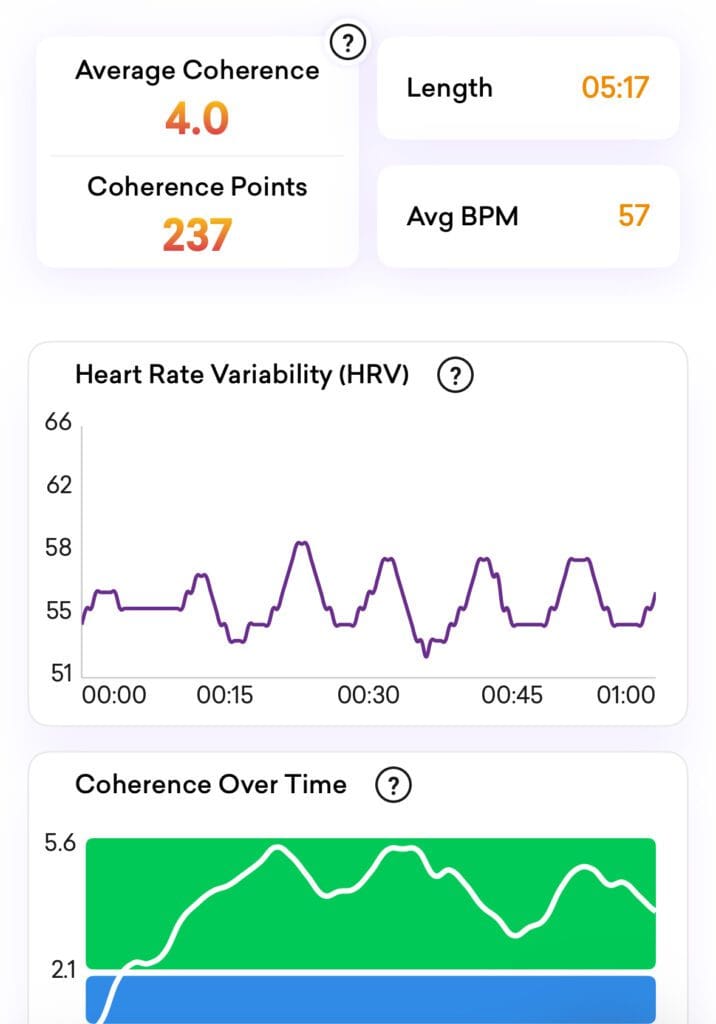
As the nervous system shifts toward stress, the feedback becomes clear. Visuals dim. Sound quiets. When regulation improves, the image becomes clearer and the sound returns. This immediate feedback teaches the nervous system how to move itself back into a calm state. The learning happens in real time, without force, and without the need for conscious control.
Over time, the nervous system begins to recognize these patterns on its own. Instead of reacting automatically, it learns how to respond differently. This is how training the brain actually works. The nervous system practices regulation repeatedly until it becomes familiar and sustainable.
How Virtual Reality Enhances Nervous System Learning
Biofeedback can be paired with virtual reality to deepen learning. Virtual reality helps engage the sensory processing system while the nervous system practices regulation. This pairing strengthens communication between the brain and body.
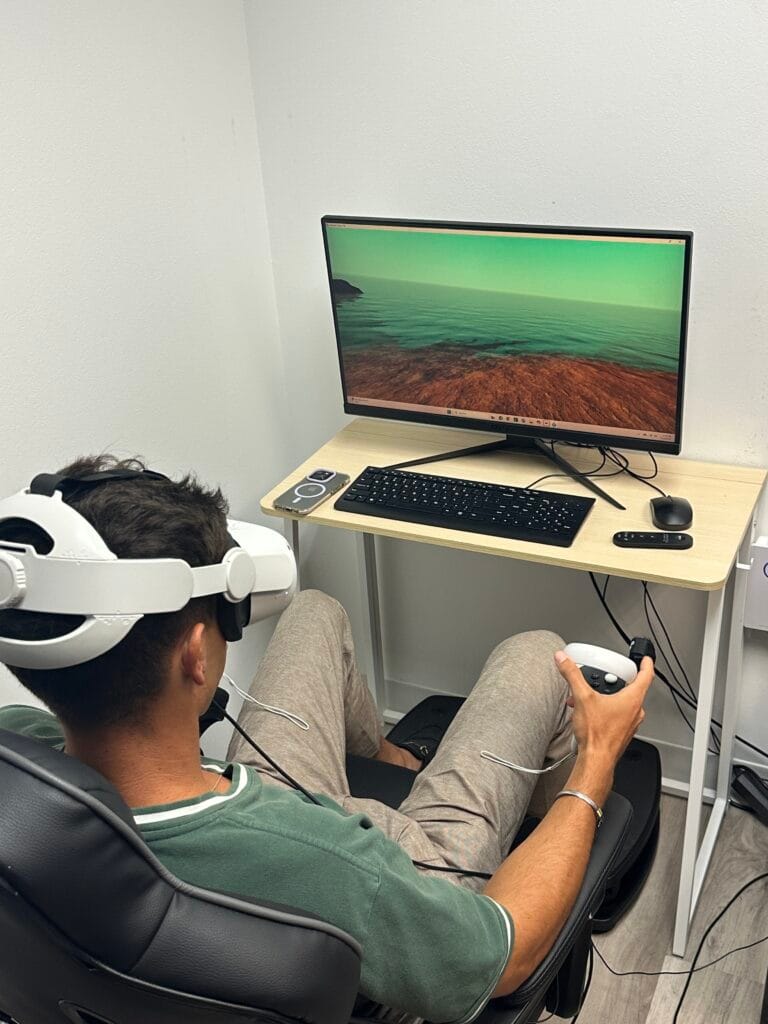
When multiple systems are engaged together, learning becomes faster and more effective. The nervous system is not just observing itself. It is integrating regulation into real experiences. This combination increases engagement, improves consistency, and supports deeper neuroplastic change.
When learning is paired with regulation, the brain is more likely to hold onto new patterns. The experience becomes meaningful, not passive, which strengthens the brain’s ability to adapt.
Why Neuroplasticity Improves With Integrated Care
Biofeedback works best when it is part of an integrated approach. Rather than relying on one modality, the nervous system benefits when multiple therapies support it together.
Other therapies help provide information and stimulation to the brain. Biofeedback helps the individual learn how to regulate and use those resources. This creates balance. The brain is supported while also being trained to take control of its own regulation.
Dr. Emily Kalambaheti explained that this approach helps individuals move out of autopilot. Instead of being driven by stress patterns, the nervous system learns self efficacy. This ability to regulate internally is what allows neuroplasticity to translate into daily life.
What Long Term Regulation Looks Like in Daily Life
As training continues, the nervous system begins to hold a calmer baseline. People often move more easily between focus, activation, and rest. Stress responses become shorter and less intense.
This does not mean stress disappears. It means the nervous system no longer stays stuck. The brain has learned how to recover, adapt, and respond. Over time, this flexibility supports better focus, emotional presence, relationships, and overall resilience.
Neuroplasticity becomes functional. It is no longer something that only happens in sessions. It shows up in real life.
How to Get Started With Neuroplasticity Training
The first step is simply reaching out and getting informed. Not every person needs the same approach, and not every tool is right for everyone. The goal is understanding what the nervous system needs and what will support it best.
At Genesis Brain Institute, individuals are guided through this process with care and clarity. Questions are welcomed. Education comes first, testing is next. The focus is helping people understand their nervous system and what path may support meaningful change.
Regardless of where someone starts, Dr. Emily reminds us that learning how to regulate the nervous system opens the door to real neuroplastic change. When the brain feels safe, it can finally do what it was designed to do. Learn, adapt, and grow.
Conclusion: How to Increase Neuroplasticity and Calming the Nervous System
Learning how to increase neuroplasticity begins with understanding something many people overlook. The brain cannot change while it feels unsafe. No amount of effort, discipline, or motivation can override a nervous system that is stuck in a stress response. The ability for the brain to adapt, learn, and form new pathways depends first on calming the nervous system.
When the nervous system remains activated, the brain shifts into survival mode. In that state, it becomes reactive rather than adaptive. Focus drops. Emotional regulation becomes harder. Learning slows. This is why so many people feel stuck even after trying therapy, techniques, or tools that seem like they should work. The issue is not a lack of desire to change. It is that the nervous system has not been given the conditions it needs to support neuroplasticity.
Calming the nervous system creates those conditions. When regulation improves, the brain gains access to the chemistry required for learning and growth. Neuroplasticity becomes possible because the brain is no longer defending itself. It can process information, respond instead of react, and begin forming new patterns that hold over time.
Training the brain through biofeedback allows the nervous system to see itself in real time and learn how to regulate. With repetition, these calmer states become familiar. Over time, they begin to show up outside of sessions, in daily life. This is where neuroplasticity becomes functional. It is not just something that happens in a controlled setting. It becomes part of how a person thinks, feels, and responds.
Lasting brain change is not about forcing transformation. It is about creating safety, practicing regulation, and training the nervous system consistently. When the nervous system learns how to calm, the brain is finally able to do what it was designed to do. Learn, adapt, and grow.
For anyone searching for how to increase neuroplasticity or calm the nervous system, the answer is not doing more. It is starting with regulation. When the nervous system feels safe, meaningful and lasting change becomes possible.
If you’re curious what’s going on with your nervous system or brain, consider starting with qEEG Brain Mapping and full Quant360 Functional Analysis. This will show you exactly how your nervous system and brain are functioning and what you can do to improve it.
Disclaimer: This content is for informational purposes only and does not constitute medical advice. Please consult with a licensed healthcare provider. Genesis Brain Institute is a Brain Treatment Center in Tampa offering non-pharmaceutical solutions that bring clarity, restore function, and offer real hope for those who feel lost, stuck, or simply want more from life.