A concussion and mild TBI can change your life in a moment, even when the injury looks “mild” on paper.
One second, life feels normal. The next, you are dealing with headaches, dizziness, brain fog, blurry vision, mood changes, poor sleep, or a strange feeling that something is just off. That is part of what makes a concussion and mild TBI so frustrating.
Many people expect a serious brain injury to look dramatic. But in real life, some of the hardest cases are the ones that get missed early, brushed off, or explained away because the person never blacked out or the scan looked normal.
Dr. Emily Kalambaheti explains this clearly. A concussion is a form of mild traumatic brain injury, and you do not have to lose consciousness for it to happen.
In fact, many people with a concussion or mild TBI are left trying to make sense of symptoms like memory trouble, slower thinking, irritability, headaches, balance problems, nausea, or visual changes while wondering why they still do not feel like themselves.
Another challenge is that TBI symptoms do not always show up right away. Some people feel the impact immediately. Others may notice changes days later, weeks later, or even longer after the injury. That delay can make it harder to connect the dots and understand what is really going on.
That is why getting checked out as soon as possible matters.
This article will explain what a concussion and mild TBI are, how they are diagnosed, and what treatment options may help when concussion symptoms do not fully go away on their own.
What Is a Concussion and Mild TBI?
A concussion is a type of mild traumatic brain injury, often called mild TBI.
It happens when the brain is disrupted by a force. That force can come from a direct hit to the head, a fall, a car accident, or even a sudden movement like whiplash. The brain moves inside the skull, and that movement can affect how different parts of the brain communicate and function.
That is an important point.
A concussion is not just about a “bump on the head.” It is about how the brain is working after the event.
Dr. Emily Kalambaheti explains that most traumatic brain injuries are considered mild. Yet “mild” does not always mean minor. Many people with concussion or mild TBI experience real symptoms that affect their daily life, work, school, and relationships.
This is where confusion often starts.
People hear the word “mild” and assume everything should go back to normal quickly. For some, it does. For others, symptoms can last longer and feel harder to explain.
That is because concussion and mild TBI can affect multiple systems at once.
The brain controls how you think, feel, move, see, and respond to the world around you. When it is not working at its best, you may notice changes in:
- Focus and attention
- Memory and processing speed
- Mood and emotional control
- Balance and coordination
- Vision and eye tracking
- Sleep and energy levels
In many cases, these changes are not visible from the outside. Someone may look fine, but inside they feel slower, overwhelmed, or unlike themselves.
That is why understanding concussion and mild TBI is so important.
It is not just about whether an injury happened. It is about how the brain is functioning after it happened.
Why Repetitive Head Impacts Deserve Attention
Repetitive head impacts can also matter, even when each hit does not seem severe on its own.
Over time, repeated stress to the brain may add up. This is sometimes called repetitive head impacts, or RHI. It can occur in contact sports, car accidents, military settings, or any situation where the head and body experience repeated force.
Not every person with repetitive head impacts will develop long term problems (read this). However, it is important to take brain health seriously early.
When symptoms are ignored or when the brain does not have time and support to recover, the effects may become harder to understand later.
This is another reason why paying attention to how you feel and getting checked out matters, especially if you have a child in a sport where repetitive heads hits occur.
Do You Have to Lose Consciousness to Have a Concussion?
No, you do not have to lose consciousness to have a concussion.
This is one of the biggest misconceptions people have about concussion and mild TBI. Many assume that if someone did not black out, then the injury was not serious. That is not true.
Dr. Emily Kalambaheti explains that many people with concussion stay fully awake. They may feel dazed, confused, or “off,” but they never lose consciousness. Because of that, the injury can be overlooked in the moment.
In fact, some of the most common signs right after a concussion are subtle.
- You may feel disoriented.
- You may have trouble focusing.
- You may feel slower than usual.
- You may notice a headache starting.
- You may feel dizzy or slightly off balance.
At the time, it may not seem like a big deal. Many people continue with their day, go back to work, or return to practice if it happened during sports.
Then symptoms begin to build.
Hours later or even days later, you may start noticing more changes. That can include brain fog, memory issues, irritability, sleep problems, or sensitivity to light and noise.
This is where people start asking a different question.
“If I never blacked out, could this still be a concussion?”
The answer is YES.
Loss of consciousness is not required for a concussion or mild TBI. What matters more is how the brain was affected and how it is functioning after the injury.
That is why it is important to pay attention to how you feel, not just what happened in the moment.
Common Concussion and Mild TBI Symptoms
Concussion and mild TBI symptoms can look different from person to person.
That is part of what makes them easy to miss.
Some people feel symptoms right away. Others notice them hours or days later. In many cases, symptoms can change over time, which can make it even more confusing to understand what is happening.
Dr. Christopher Gleis explains that these symptoms can affect how you think, how you feel, and how your body responds.
Here are some of the most common symptoms people report after a concussion or mild TBI.
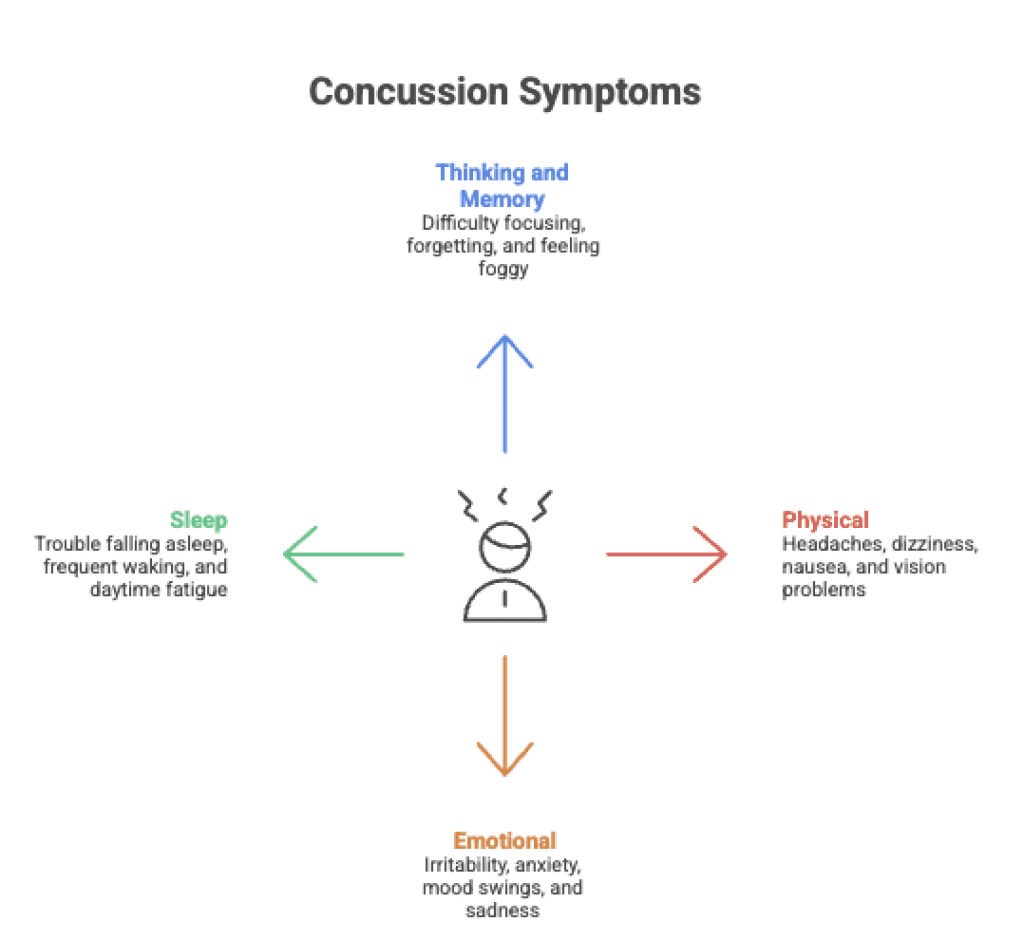
Thinking and memory symptoms
- You may feel slower than usual.
- You may have trouble focusing or staying on task.
- You may forget things more easily.
- You may feel like your brain is in a fog.
Physical symptoms
- Headaches are very common.
- You may feel dizzy or lightheaded.
- Balance can feel off.
- You may feel nauseous.
- Some people experience blurry or double vision.
Emotional symptoms
- You may feel more irritable than usual.
- You may feel anxious or overwhelmed.
- Mood swings can happen more easily.
- Some people feel down or not like themselves.
Sleep related symptoms
- You may have trouble falling asleep.
- You may wake up often during the night.
- You may feel more tired during the day, even after sleeping.
One important thing to understand is this.
You do not need to have all of these concussion symptoms to have a concussion.
Some people only notice one or two changes. Others may experience several at the same time. The pattern is not always the same.
Dr. Emily Kalambaheti also points out that symptoms like headaches, eye pain, blurry vision, balance issues, fatigue, and even anxiety can show up after events like car accidents where the head and neck experience sudden movement.
Because these symptoms can overlap with other conditions, they are sometimes dismissed or misunderstood.
That is why looking at the full picture matters.
It is not just about one symptom. It is about how everything is working together after the injury.
If you’re unsure if you have a concussion, take this quick TBI test now to see if you should get checked out (click-here to take the TBI test)
How Concussion and Mild TBI Are Diagnosed
Diagnosing a concussion and mild TBI is not always as simple as taking a quick scan.
In many cases, people go to the emergency room or urgent care after a head injury and receive a CT scan or MRI. These tests are important because they help rule out serious issues like bleeding or structural damage in the brain.
But here is where confusion can happen.
Many people with concussion or mild TBI are told their scan looks normal.
Then they are sent home with little explanation, even though they still do not feel like themselves.
That does not mean nothing is wrong.
It often means the injury is functional, not structural.
In simple terms, the brain may look normal, but it may not be working the way it should.
That is why we diagnosis differently.
First, there is the history of the event. Was there a fall, accident, or sudden movement? Did symptoms start right away or later?
Next, there are the symptoms. What changes are you noticing in thinking, mood, balance, vision, or sleep?
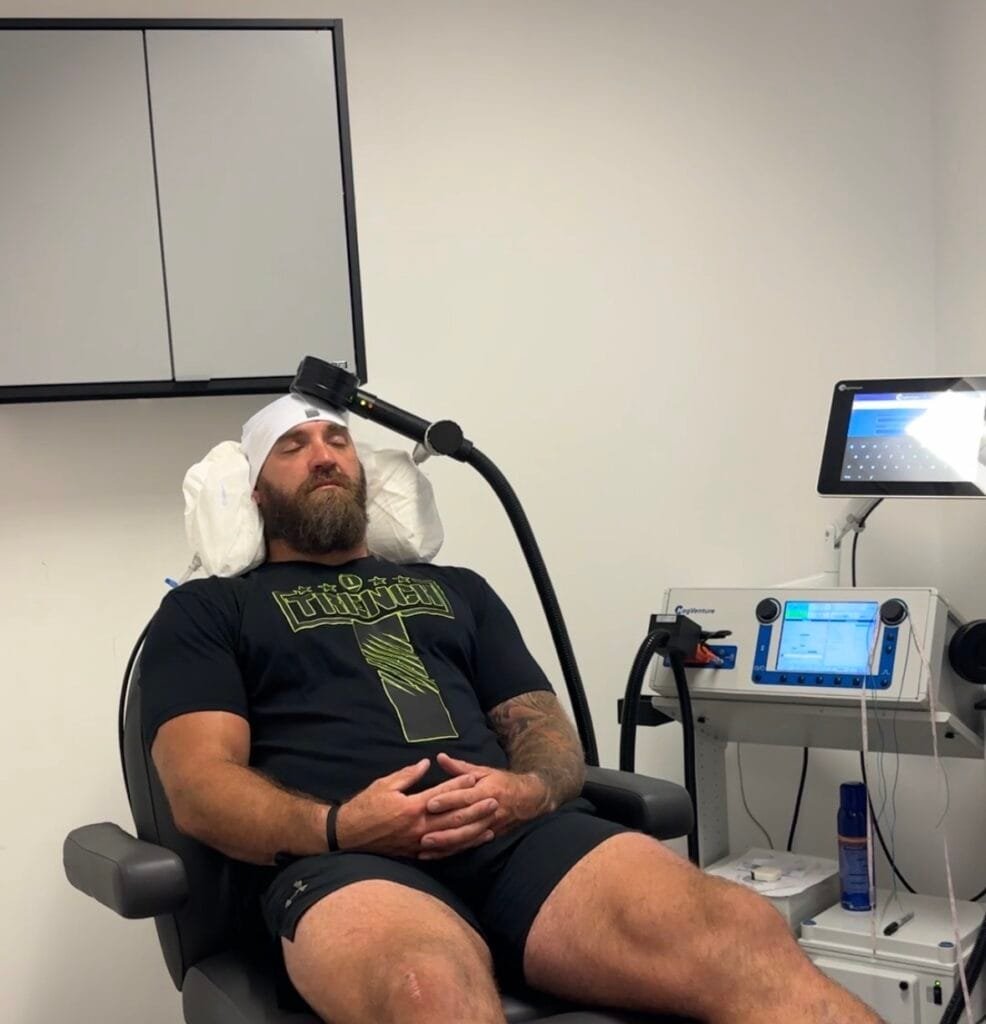
From there, deeper testing can help provide more clarity when symptoms continue.
At Genesis Brain Institute, that may include looking at how the brain and body are functioning together through a more complete evaluation. You may most likely be working with both Dr. Emily Kalambaheti and Dr. Christopher Gleis.
That can involve:
qEEG brain mapping to measure brainwave activity and see how different areas of the brain are communicating
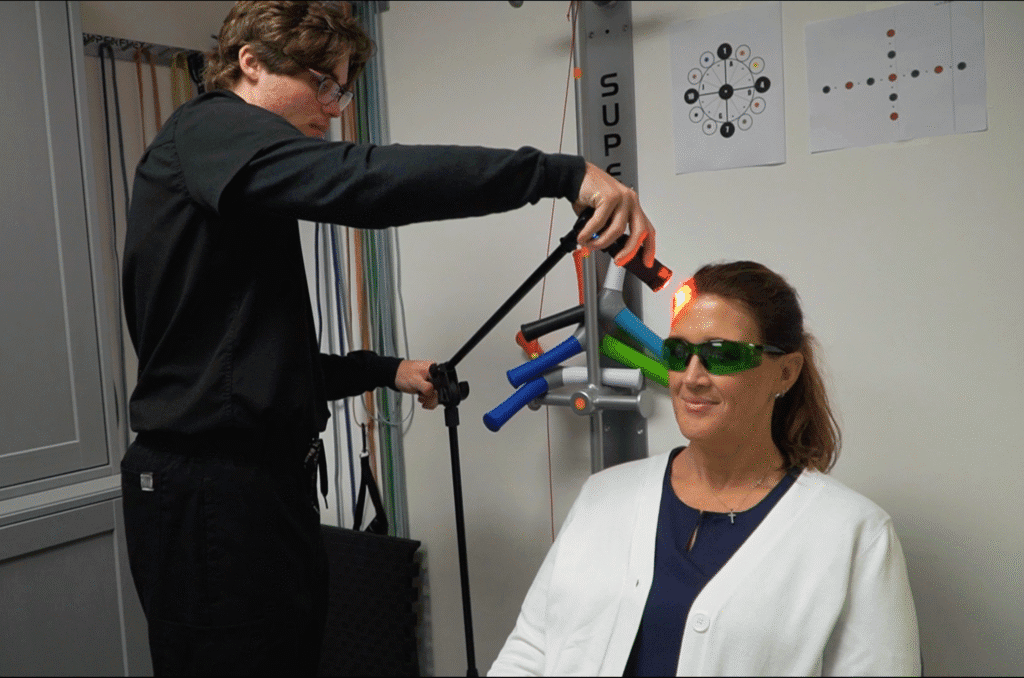
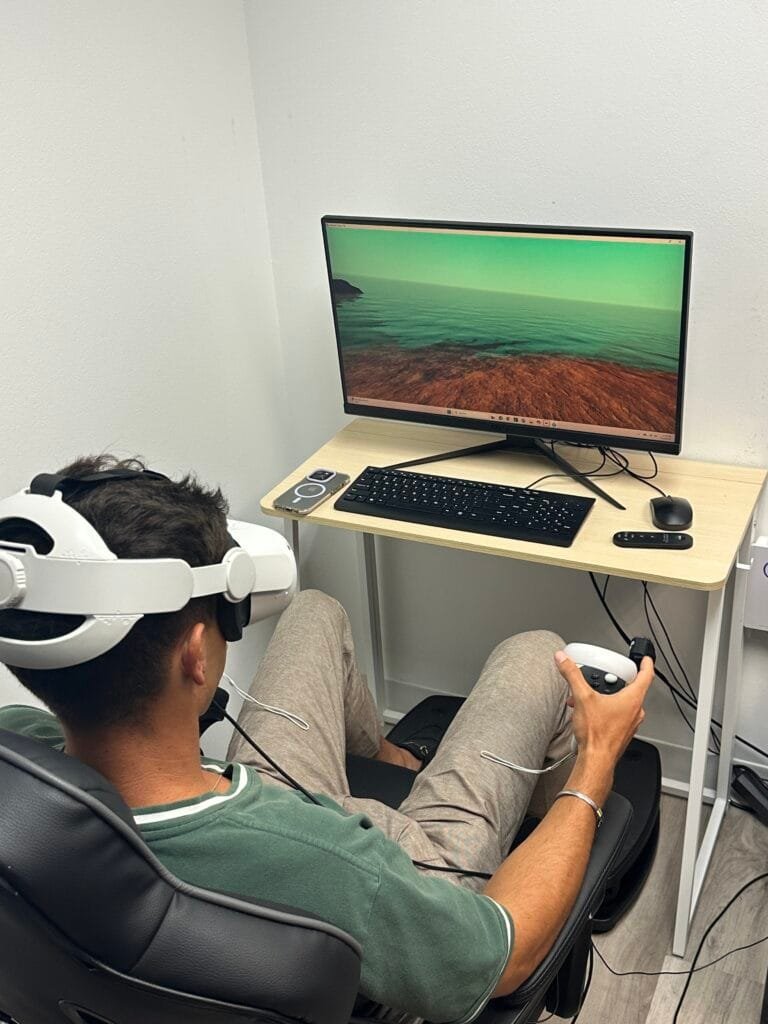
Eye movement testing to evaluate how the brain controls the eyes, which can reflect brainstem and cortical function (pupil testing also)
Cognitive testing to measure attention, memory, processing speed, and other key areas
Balance testing to assess how the brain integrates sensory input and controls movement
Each of these looks at a different part of how the brain is working.
Dr. Emily Kalambaheti often explains that you can have perfect 20/20 vision and still have issues with how your brain is processing visual information. That is why eye movement testing can be so important after a concussion or mild TBI.
The goal of this type of evaluation is not just to confirm that an injury happened.
It is to understand how the brain is functioning now, so care can be more personalized and targeted.
Because when you can measure what is happening, you can make more informed decisions about what to do next.
CT scans and MRIs are important tools.
They help doctors rule out serious and life threatening problems like bleeding, swelling, or structural damage in the brain. That is a critical first step after a head injury.
But many people with a concussion and mild TBI are told something confusing.
“Your scan looks normal.”
At the same time, they still feel off.
They may have headaches, brain fog, dizziness, vision issues, or trouble focusing. They know something is not right, but the imaging does not explain it.
This can feel frustrating and even discouraging.
Here is why that happens.
CT scans and MRIs are designed to look at the structure of the brain. They are very good at showing damage you can see, like a bleed or a fracture.
However, a concussion and mild TBI often affect the function of the brain.
That means how different parts of the brain communicate, process information, and regulate the body may be disrupted, even when the structure looks normal.
Dr. Emily Kalambaheti often explains this in a simple way.
You can have a brain that looks normal on a scan, but is not performing at its best.
That is why people may continue to experience symptoms even after being told everything looks fine.
It is also why deeper evaluation can matter when symptoms persist.
Looking at brainwave activity, eye movements, cognitive performance, and balance can help uncover changes that standard imaging does not capture.
This does not replace traditional imaging.
It adds another layer of understanding.
Because when someone still does not feel like themselves, the goal is not just to say everything looks normal.
The goal is to better understand what may be contributing to how they feel, so the next steps can be more informed.