
- Board-Certified
Dr. Christopher Gleis, MD - Putting CARE Back In Healthcare
One of the few pain management physicians also board-certified in anesthesiology, bringing a full-body, nervous-system approach to injury and pain.

Conditions Dr. Christopher Gleis Treats
Auto Injury and Trauma Care
- Auto accident injuries
- Whiplash and cervical strain
- Head Injuries
- Soft tissue injuries
- Complex injury cases
- Neck pain
- Back pain
- Joint pain
- Acute pain
- Unresolved Chronic Pain
Spine, Nerve, and Joint Conditions
- Disc-related pain
- Radiating arm or leg pain
- Numbness and tingling
- Degenerative conditions
- Post-surgical pain
Brain-Based and Neurological Conditions
- Post-concussion concerns
- Symptoms without clear findings
- Neurological contributors to pain
- Brain-body signaling issues
- Headache Treatment
Recovery and Regenerative Support
- Support for tissue health
- Joint and mobility support
- Inflammation-related symptoms
- Recovery after injury or illness
- Treatments for Chronic Diseases
Performance, Energy, and Longevity
- Fatigue and low energy
- Performance optimization
- Optimized Brain Power
- Cognitive and Physical Recovery
- Healthy aging support
Why This Medical Care Is Different
Five Reasons Our Medical Solutions for Injury, Pain Management, and Brain Based Recovery Stand Apart
Medical Care at Genesis Brain Institute is guided by clinical judgment, protected time, and an approach designed to address the underlying drivers of symptoms rather than repeating temporary solutions.
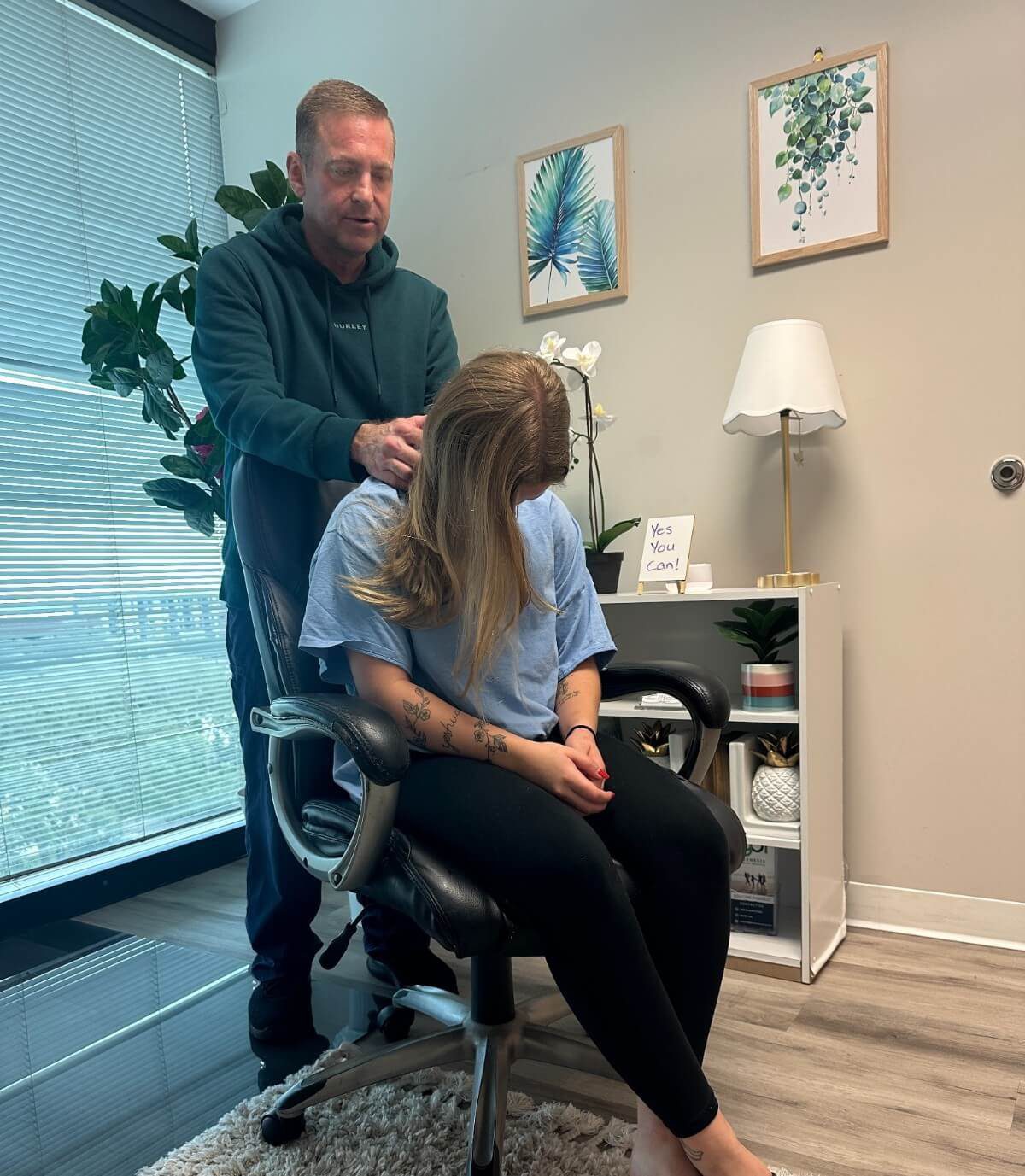
1. A Multimodal, Non-Narcotic First Approach to Pain Management
Pain management should not begin with dependency.
Care is guided by a multimodal medical approach that prioritizes non-narcotic and non-habit-forming strategies whenever appropriate. Decisions are based on clinical findings, patient response, and long-term health considerations, not default prescriptions or rigid protocols.
Medication may have a role. It is rarely the foundation.
2. Exploring Surgical Alternatives When Appropriate
Many patients are told their only options are continued symptom management or surgery.
That is not always the full picture.
For select individuals, medical care may include discussion of physician-guided options designed to support tissue health, joint function, and recovery before surgery becomes the only path forward.
These conversations are guided by medical evaluation, imaging review, and appropriateness for the individual, not pressure or preset timelines.
3. Time Matters, Because Details Matter
One of the most common reasons pain care fails is that the evaluation was rushed.
Medical Care here begins with a comprehensive history, a thorough physical examination, and a careful review of imaging and test results in context. Symptoms, movement, and findings are evaluated together rather than in isolation.
When details are missed, care becomes repetitive.
When details are understood, care becomes more precise.
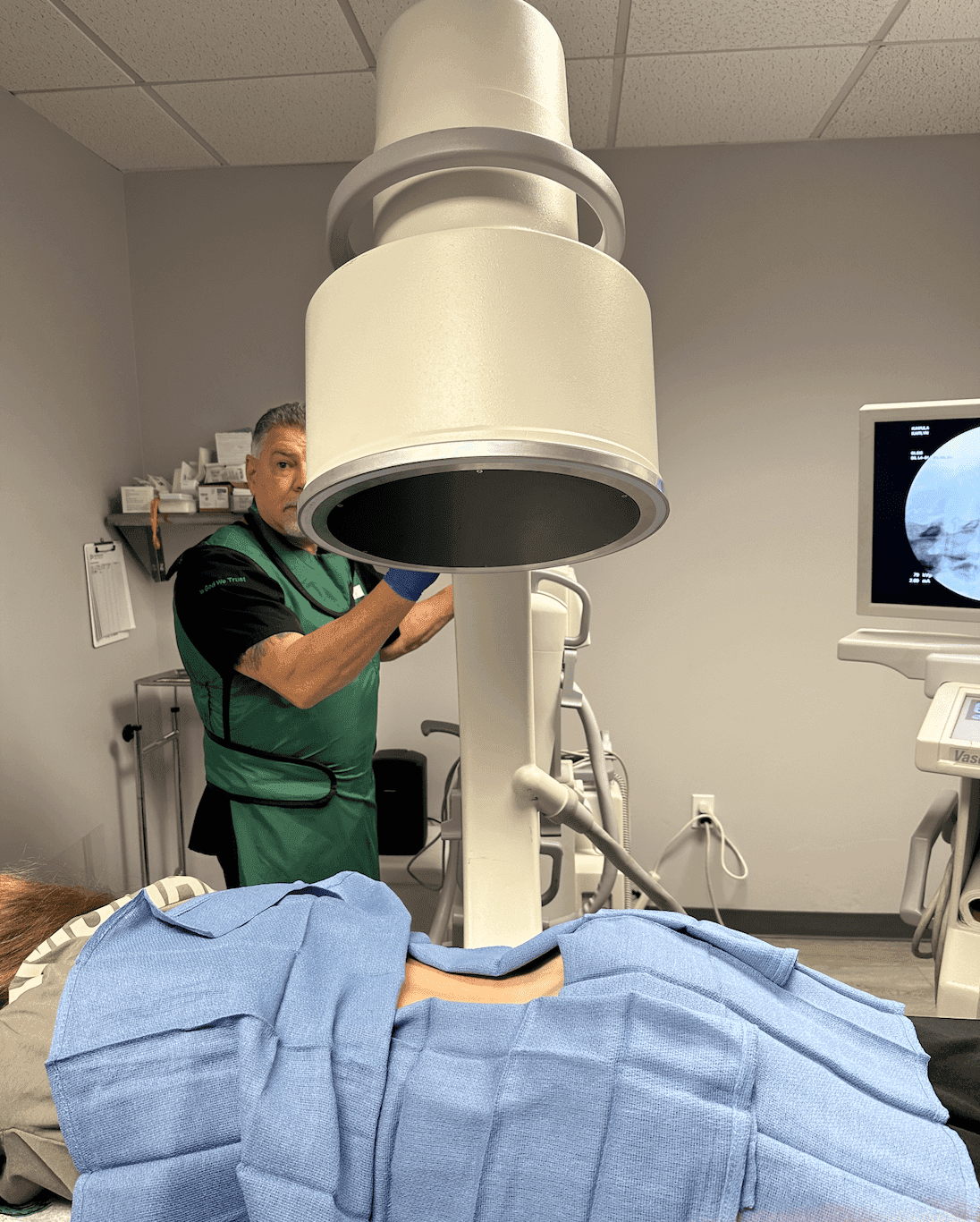
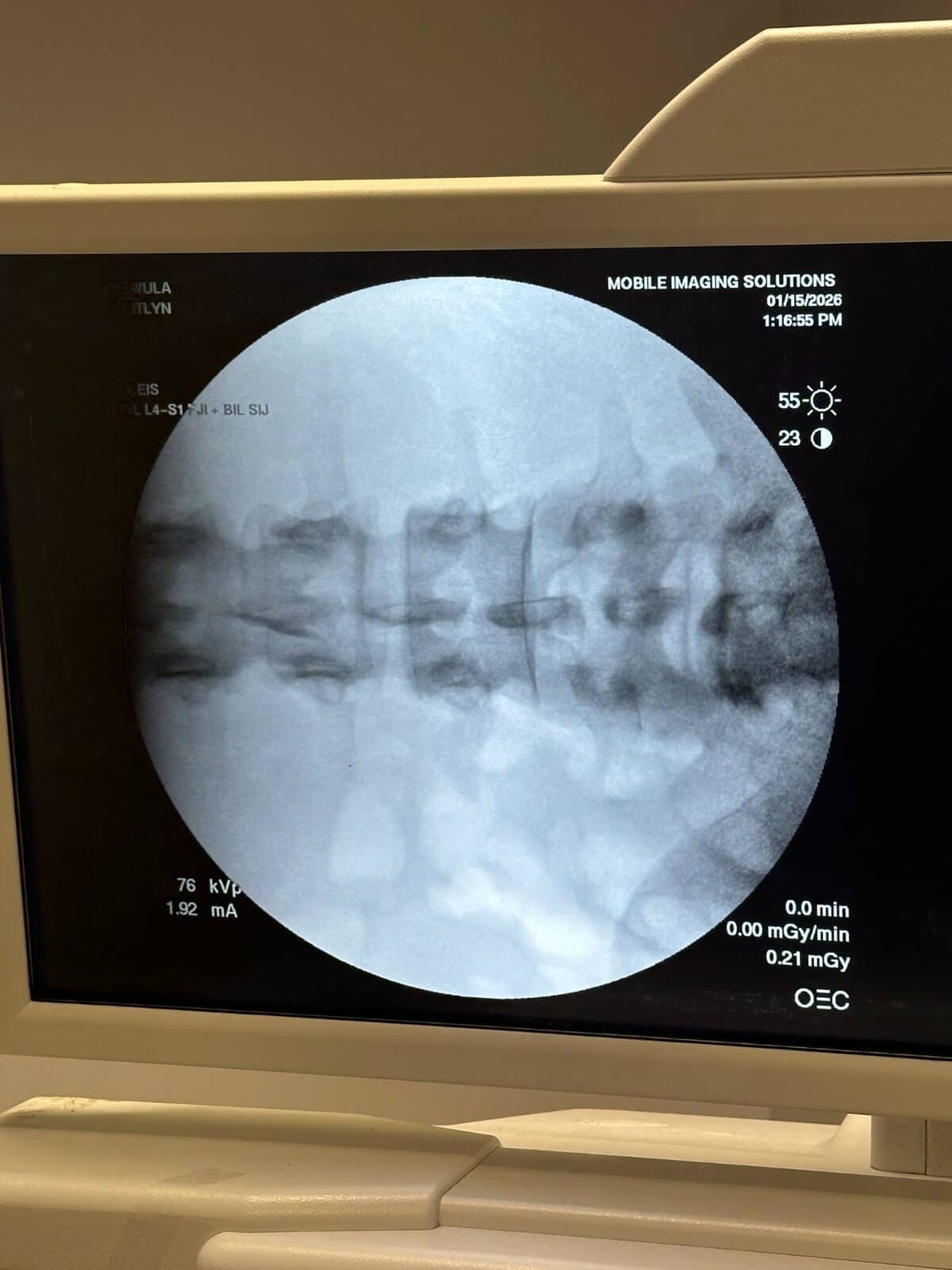
4. Treating the Person, Not the MRI Report
Imaging is an important tool. It is not the diagnosis.
Many patients are treated based solely on what a report shows, even when it does not fully explain how they feel or function. Medical Care at Genesis Brain Institute focuses on correlating imaging with physical findings, symptoms, and progression over time.
When those elements do not align, the discrepancy is explored rather than ignored.
5. No Preset Series, No Automatic Sequences
A common frustration patients describe is being placed into a fixed series of treatments, even when early steps do not provide meaningful improvement.
Here, there is no automatic sequence.
Each decision is guided by response, anatomy, and progress. If something is not working, it is reassessed rather than repeated out of routine.
Care evolves as the clinical picture evolves.
A Medical Practice Built on Judgment, Not Throughput
Medical Care at Genesis Brain Institute is structured to protect time for evaluation, decision-making, and follow-through.
This allows care to be guided by clinical judgment rather than schedules, preset series, or volume-based pressures.
For many patients, this is the first time pain management has felt deliberate, individualized, and grounded in understanding rather than repetition.
Connecting Medical Care for Injury and Pain Management to Brain Based Recovery
Injury and pain are rarely just local problems.
When the body is injured, the nervous system adapts. Movement patterns change. Stress responses increase. In some cases, pain or dysfunction persists even after tissue has healed, not because damage remains, but because the systems regulating recovery have not fully recalibrated.
Medical Care at Genesis Brain Institute is designed to recognize when pain is structural, when it is neurologically influenced, and when both are contributing at the same time.
That distinction matters.
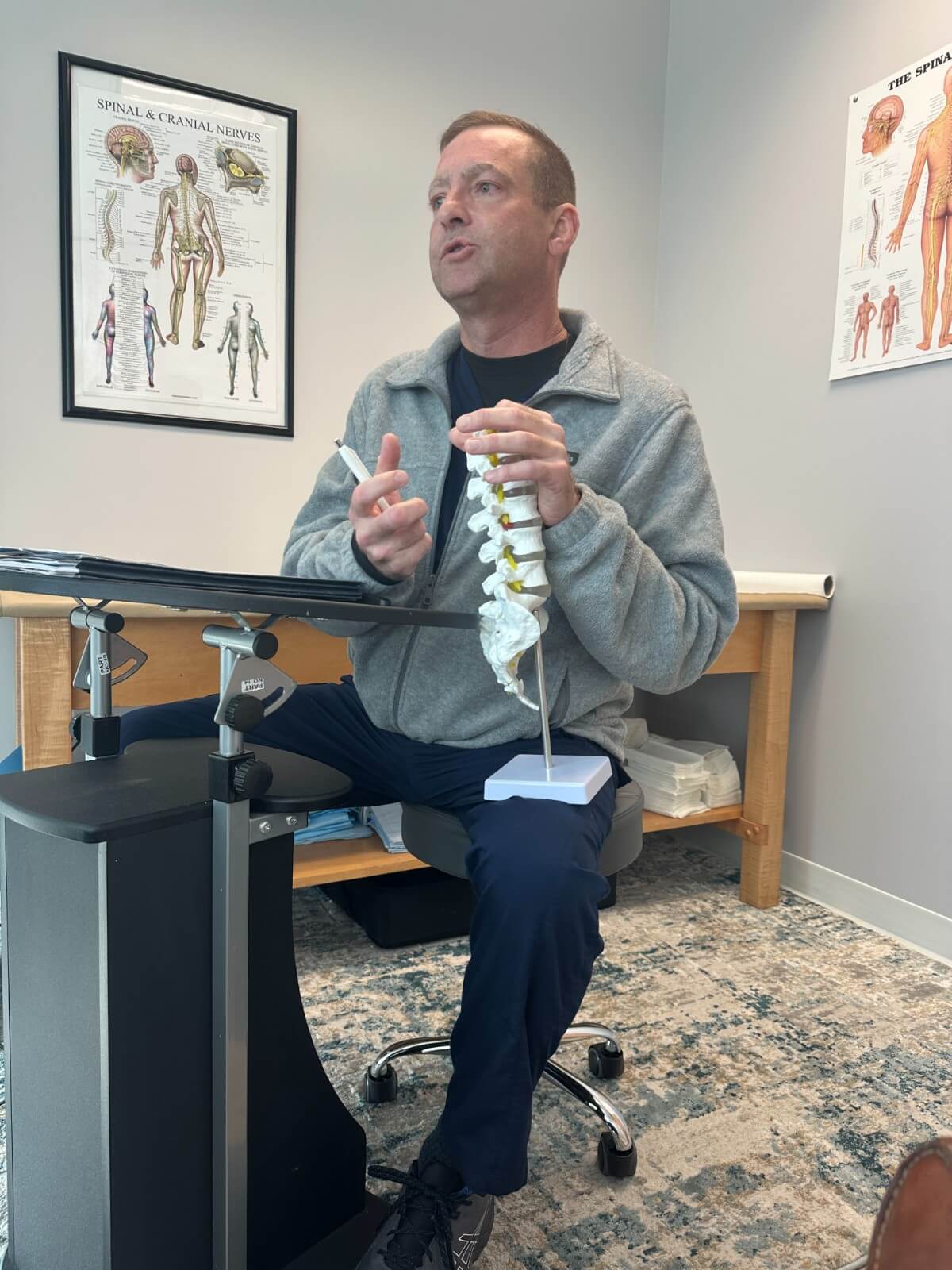
When Pain Does Not Fully Resolve After Injury or Treatment
Some individuals continue to experience pain, stiffness, fatigue, or reduced function despite appropriate medical care. Others notice changes in sleep, focus, mood, or recovery that do not clearly match imaging findings or the severity of the original injury.
In these cases, pain may be influenced by nervous system signaling, regulation, and recovery patterns, not just the injured tissue itself.
Medical Care helps determine when repeating the same approach is unlikely to change outcomes, and when a deeper or different evaluation may help move recovery forward.
Supporting Recovery Beyond Medication and Temporary Pain Relief
For select patients, care may include discussion of physician-guided approaches designed to support tissue health, joint function, and the body’s natural recovery processes, particularly when traditional pain management has not produced lasting results.
These strategies are considered carefully and individually. The focus is not masking symptoms or cycling through short-term relief, but supporting meaningful progress when pain has become persistent or difficult to resolve.
The goal is not escalation. The goal is recovery that holds.
A Coordinated Medical Approach to Injury, Pain Management, and Recovery
Medical Care at Genesis Brain Institute functions within a broader, brain-based model. This allows decisions to be guided by medical judgment rather than assumptions, and helps clarify when supportive care is sufficient and when additional evaluation may be beneficial.
Not every patient requires advanced intervention. But every patient deserves a clear, coordinated path forward.

Why Patients in Tampa Turn to Dr. Christopher Gleis for Pain Management
Most pain management care follows a predictable path. Symptoms are matched to imaging. Imaging is matched to a procedure. Treatment is repeated when relief does not last.
That is not how Christopher Gleis, MD practices.
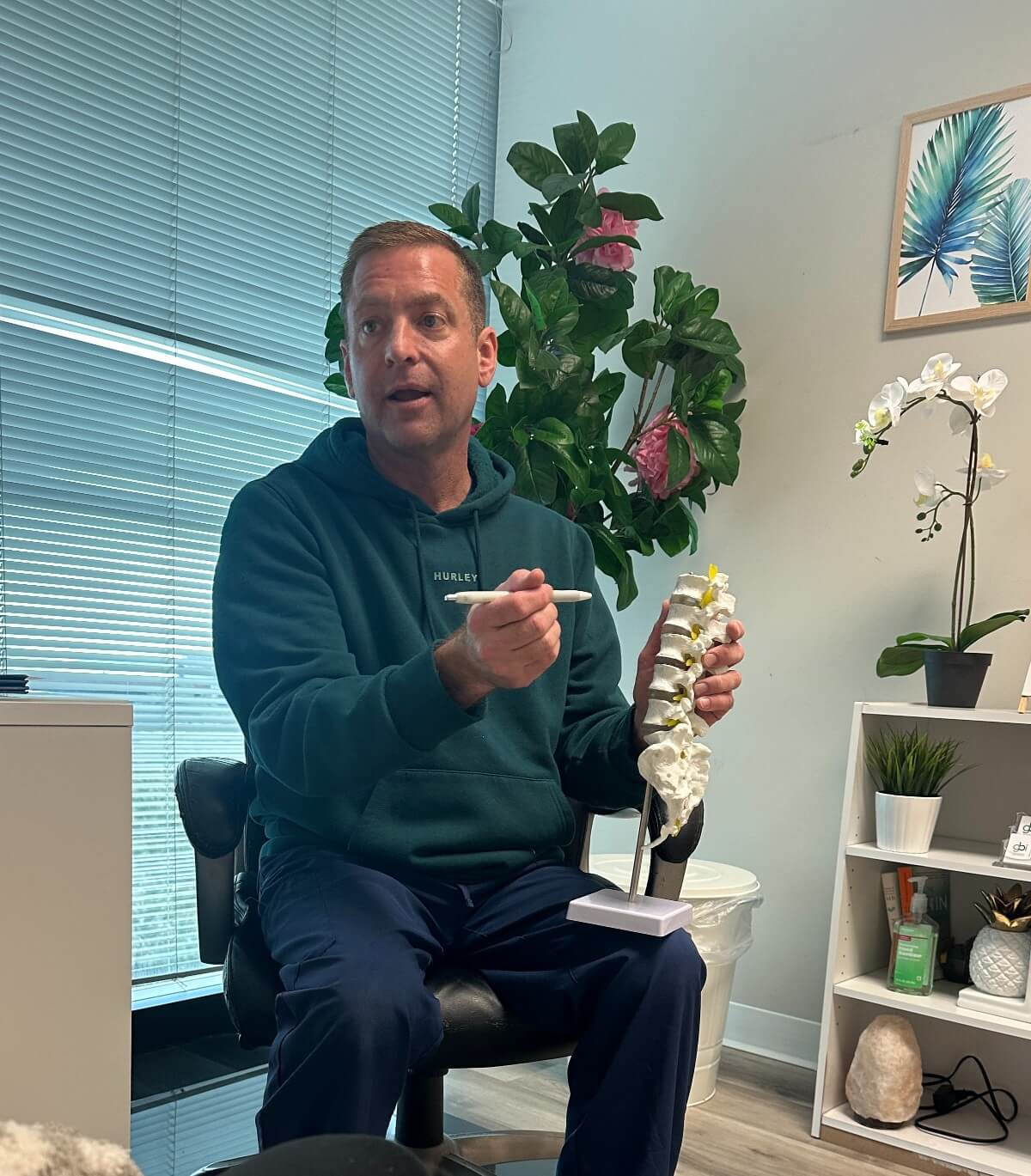
Dr. Gleis is one of the few pain management specialists also board-certified in anesthesiology, a background that provides a full-body, nervous-system understanding of how pain is generated, transmitted, and regulated.
This distinction matters. Pain is often felt in one location but driven by another. Nerve pathways, muscular compensation, and nervous system signaling frequently determine why symptoms persist, shift, or return, even after treatment elsewhere.
Dr. Gleis approaches pain as a diagnostic problem first, not a procedural one.
A Diagnostic Approach Driven by Medical Judgment, Not Automation
Rather than treating an MRI report in isolation, Dr. Gleis begins with a comprehensive physical examination and clinical correlation. Symptoms, movement patterns, neurological findings, and imaging are evaluated together. When these elements do not align, that discrepancy becomes the focus rather than something to work around.
This level of evaluation is uncommon in modern pain management, but it is often where answers are found.
Finding the Real Source of Pain, Not Just the Pain Location
In Dr. Gleis’s practice, it is common to see patients who have undergone extensive treatment without lasting improvement because the true pain generator was never identified.
Examples include:
- A patient underwent multiple knee procedures for persistent knee pain. Dr. Gleis found the patient had nerve involvement originating higher in the pelvis or lumbar region.
- An individual treated repeatedly for tingling, numbness, and pain in the hand and wrist by another pain management doctor in Tampa. Dr. Chris Gles found the source was cervical nerve compression rather than the elbow or wrist itself.
- A patient was receiving ongoing spinal injections for back pain in Tampa that was ultimately driven by muscular compensation / peripheral nerve. Dr. Christopher Gleis detected this after taking over this patient’s treatment.
- Chronic pain persisted after surgery where the structural issue had been addressed, but nervous system signaling and recovery patterns were never evaluated. Dr. Christopher Gleis studied this patient and discovered the nervous system was the problem.
In each of these cases, the pain management treatment in Tampa was focused on where pain was being felt, not where it was actually generated from.
Identifying that distinction changes the entire course of patient care.
Training That Expands What Is Possible
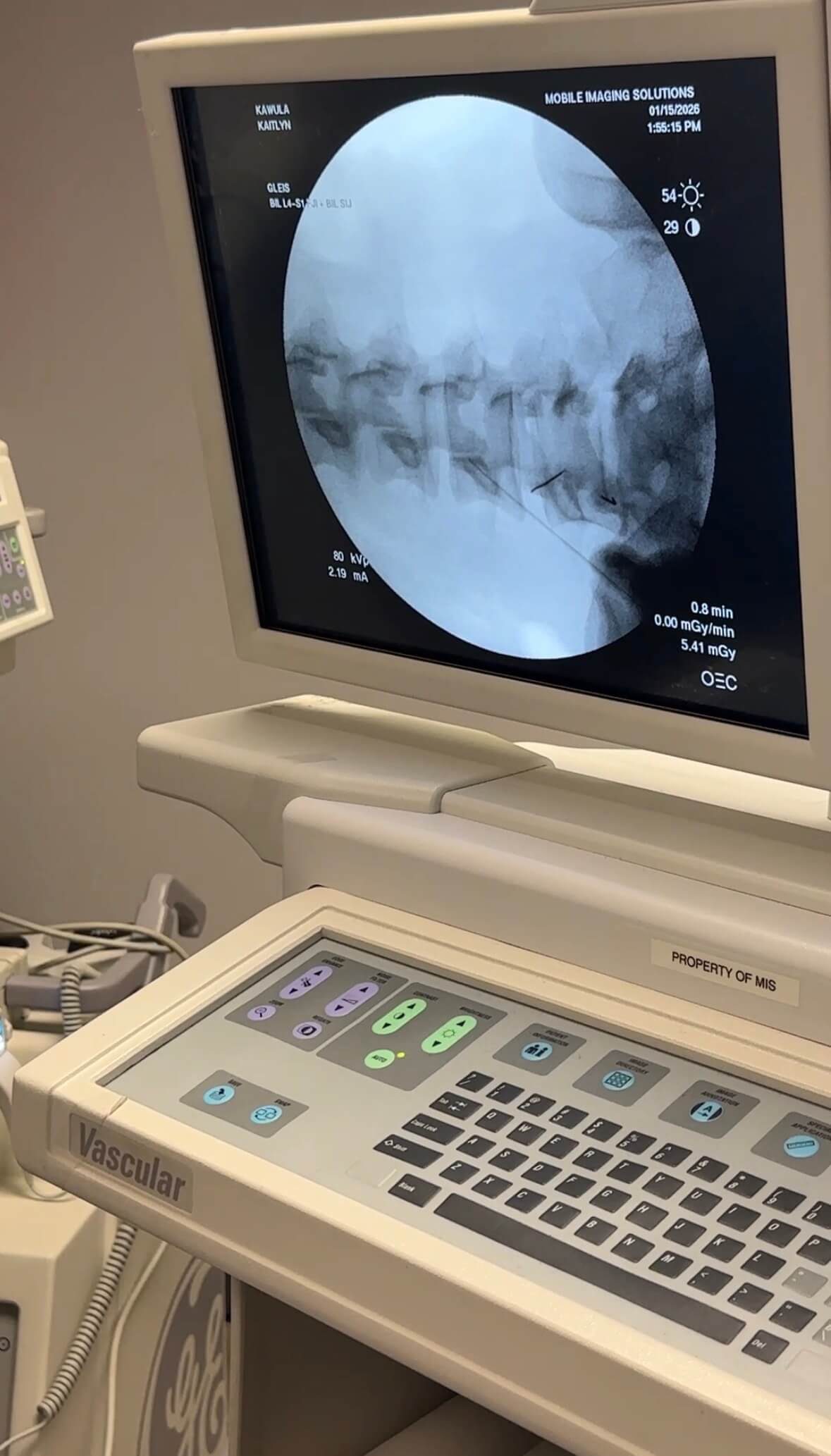
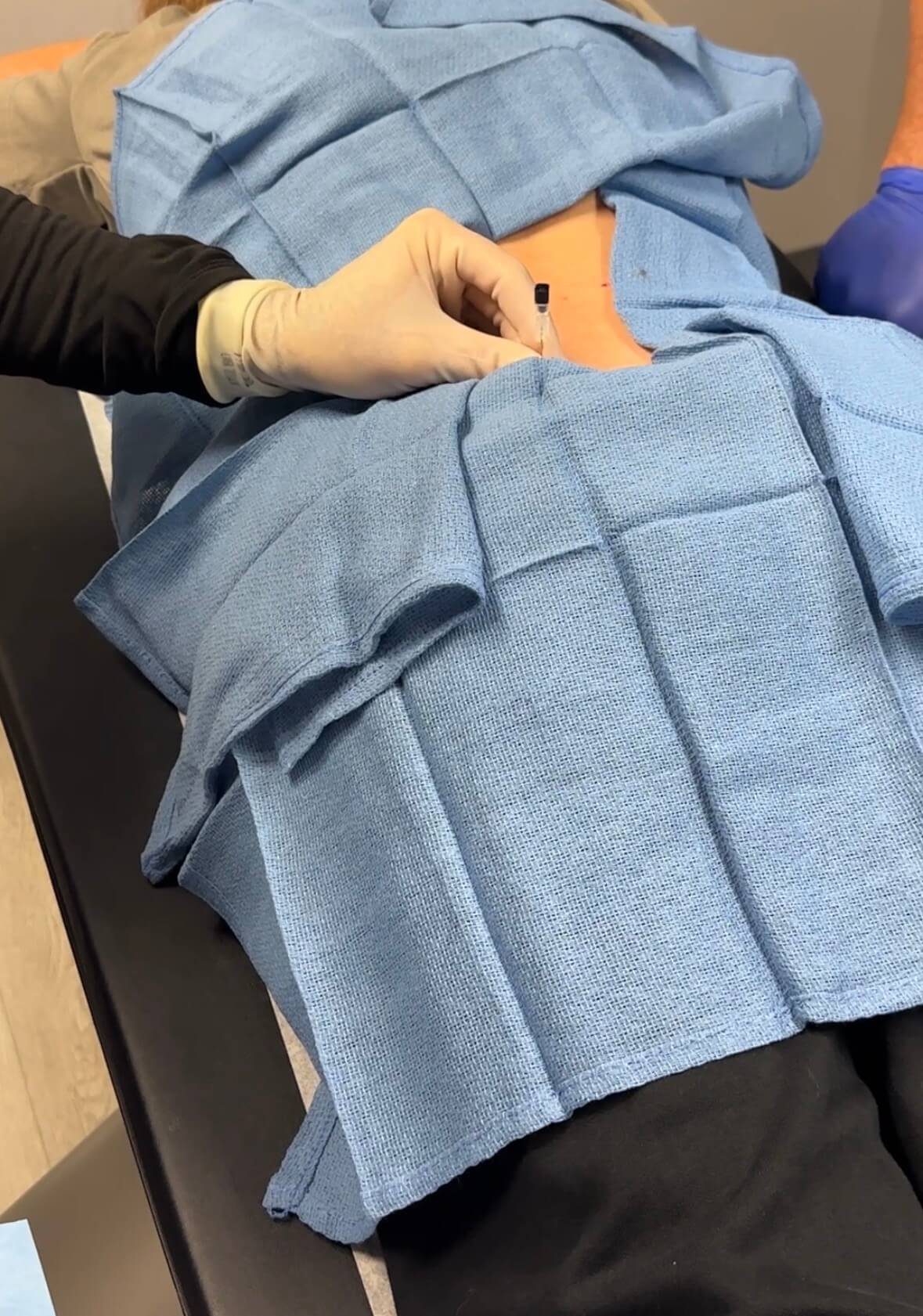
Dr. Gleis’s anesthesiology training provides advanced expertise in nerve anatomy, pain signaling, and regional pain pathways throughout the body.
This allows evaluation and treatment of complex pain patterns that fall outside narrow, protocol-driven frameworks.
Procedures are never automatic. Treatments are never repeated by routine.
If an intervention does not meaningfully improve function, it is reassessed rather than continued.
Why This Matters to Patients wanting Pain Management in Tampa
Many patients arrive after months or years of care that never fully made sense.What often changes here is not just the treatment, but the understanding.
Patients commonly leave their first visit with clarity around:
- What is actually driving their pain
- Why prior treatments may not have worked
- What options make sense moving forward
- What does not need to be repeated
That clarity comes from a physician willing to slow down, evaluate the entire system, and apply medical judgment rather than default protocols.
How Patients Move Through Medical Care at Genesis Brain Institute in Tampa
Step One:
Comprehensive Medical Evaluation
Every patient begins with a thorough medical evaluation.
This includes a detailed review of symptoms, injury history, prior treatments, medications, and relevant medical conditions. When available, prior imaging and records are reviewed in context rather than accepted at face value.
The goal of this visit is not to immediately intervene. The goal is to understand.
This evaluation allows patterns to emerge, inconsistencies to be identified, and assumptions to be challenged before any plan is discussed.
Step Two:
Physical Examination and Clinical Correlation
A hands-on physical examination is a central part of care.
Movement, strength, sensation, reflexes, and pain patterns are assessed and compared against imaging findings and reported symptoms. When what a patient feels does not match what an image shows, that discrepancy becomes meaningful.
This step often reveals why prior treatments failed or why pain has persisted despite appropriate care elsewhere.
Step Three:
Medical Judgment and Decision-Making
Once evaluation and examination are complete, medical judgment guides the next step.
For some patients, this means medical management or supportive care. For others, it may involve targeted procedures, additional evaluation, or coordination with other disciplines.
There is no preset sequence and no automatic progression.
Each recommendation is based on:
- What is most likely driving symptoms
- What has or has not helped in the past
- What is appropriate to pursue
- What does not need to be repeated
Step Four:
Thoughtful Progression or Transition of Care
Not every patient requires ongoing medical intervention.
In some cases, the most appropriate outcome is clarity, reassurance, or redirection rather than continued treatment. In others, care may progress in a measured way, guided by response and function rather than routine.
When deeper evaluation or additional support is warranted, transitions are made intentionally and with explanation.
The objective is not more care. The objective is the right care.
What Patients Often Notice About This Process
Patients across Tampa and the surrounding areas frequently describe this approach as different from what they have experienced before.
Common feedback includes:
- Feeling heard rather than rushed
- Understanding why prior care did not work
- Having a clear explanation of next steps
- Confidence that decisions are intentional
- Relief from finally having the full picture evaluated
For many, this is the first time medical care has felt coordinated instead of fragmented.
What Patients Are Saying
ED RIOS

Chloe Derian
Douglas S
Cecelia Cosgrove
Mary Barnard
Darlene Kalada
Tara Dowd
Dr Gleis is kind and patient with everyone. He listens and explains everything so you feel comfortable.His staff is friendly and it’s a pleasant environment. He helped my husband with his shoulder pain and we truly appreciate his professionalism.
Felix
Frequently Asked Questions About Medical Care
Do I need a referral to be seen?
No. Patients may schedule directly with Genesis Brain Institute without a referral.
What should I bring to my first appointment?
Patients are encouraged to bring any prior imaging discs, radiology reports, and relevant medical records. These materials help ensure the evaluation is as complete and accurate as possible.
What happens during the first visit?
The first visit focuses on understanding the full picture. This includes a detailed medical history, a comprehensive physical examination, and review of prior imaging or records when available. The goal is clarity before decisions are made, not rushing into treatment.
How is this different from a typical pain management visit?
Medical care here is diagnostic-first rather than protocol-driven. Instead of matching symptoms to a preset procedure, care is guided by physical examination, clinical correlation, and medical judgment.
Do you prescribe pain medications?
Medication may be considered when appropriate, but it is not the foundation of care. Long-term reliance on narcotics is avoided whenever possible, with a focus on identifying and addressing what is actually driving symptoms.
What if I want to avoid medication?
That preference is respected. Many patients seek care specifically because they want options beyond medication-only approaches. Recommendations are discussed based on medical appropriateness and individual needs.
Are injections always part of treatment?
No. Procedures are never automatic. Injections or other interventions are considered only when they align with examination findings and are likely to improve function, not simply because imaging shows a finding.
What if I’ve already had injections or procedures elsewhere?
That history is reviewed carefully. If prior treatments did not help, repeating them is not assumed to be the answer. When something has not worked, it is reassessed rather than repeated by routine.
How do you decide when surgery is necessary?
Surgery is considered when it is medically appropriate and clearly indicated. At the same time, many patients arrive having been told surgery is their only option when other avenues have not been fully explored. Medical evaluation helps determine the right next step.
What if my pain doesn’t match what my MRI shows?
That discrepancy is important. Imaging is a tool, not a diagnosis. When symptoms, physical examination findings, and imaging do not align, that mismatch is explored rather than ignored.
How does the nervous system factor into pain?
Pain is not only structural. Nervous system signaling, regulation, and recovery patterns can influence how pain is experienced and why it persists. Part of the evaluation is determining when these factors may be contributing.
How long does care usually last?
Care length varies based on the complexity of the condition and what is appropriate for the individual. Some patients require only a few visits, while others benefit from a more involved course of care.
What if I’m not sure this is right for me?
The initial visit is designed to provide clarity, not commitment. Many patients come simply to understand what is happening and what options make sense before deciding how to proceed.
Do you see patients who travel from outside the Tampa area?
Yes. Genesis Brain Institute is located in Tampa near Tampa International Airport, making travel straightforward for patients visiting from outside the area.
Our office is situated in a waterfront medical office park with several nearby hotels, allowing patients to stay within minutes of their appointments. This makes care accessible for individuals traveling from across Florida, the U.S., and internationally.
Where is medical care provided?
Medical care is provided at Genesis Brain Institute’s Tampa location.