
Vestibular Therapy in Tampa
If you feel dizzy, off balance, or like the room is spinning, you are not alone and the GBI Quant360 Functional Analysis helps us understand why.
Many people search for vestibular therapy because something does not feel right. Maybe it started after a concussion. Maybe it developed slowly with age. Maybe it happens when you turn your head too quickly or walk in the dark.
You may be experiencing:
- Vertigo
- Dizziness
- Imbalance
- Motion sensitivity
- Gaze instability
- Headaches triggered by visual strain
- Nausea with movement
These symptoms are often connected to the vestibular system, the part of your inner ear that helps you perceive movement and maintain balance.
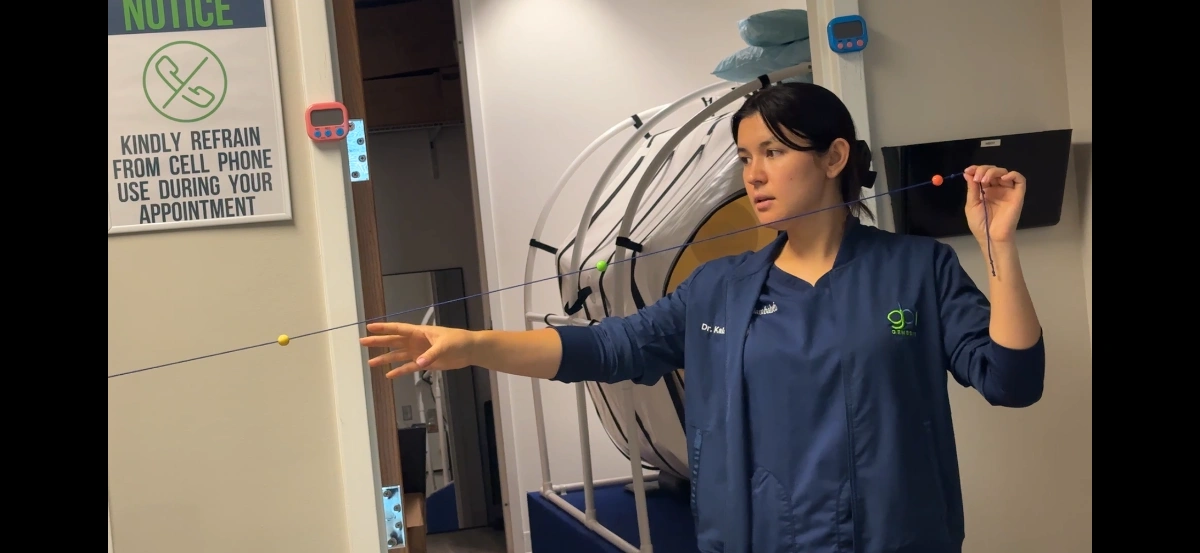
At Genesis Brain Institute, vestibular therapy in Tampa begins with understanding why your symptoms are happening. Through our Quant360 Functional Analysis, we evaluate brain function with qEEG brain mapping, assess inner ear and balance function with VNG and balance testing, analyze eye movement through oculomotor assessments, and measure cognitive performance including speed, memory, and focus. When needed, we also review MRI imaging.
This comprehensive evaluation allows us to identify what is truly driving your dizziness, vertigo, or imbalance before designing a targeted vestibular rehabilitation plan that may include vestibular therapy and other integrated neurological treatments.
What Is Vestibular Therapy?
Vestibular therapy, also called vestibular rehabilitation, is a specialized treatment designed to retrain how your brain and inner ear process movement and maintain balance.
Your vestibular system lives in your inner ear. It helps you perceive movement and understand where your head is in space. When this system does not work properly, you may feel dizzy, nauseous, off balance, or unstable.
The vestibular system does not work alone. It must coordinate with:
- Your vision
- Your proprioception, which is feedback from your joints and muscles
When one of these systems becomes weak, especially the vestibular system, balance and stability can suffer.
Vestibular therapy uses precise, targeted exercises to retrain this system. Depending on your diagnostic findings, exercises may include:
- Looking at a fixed point while turning your head
- Nodding your head while maintaining visual focus
- Gaze stabilization training to strengthen the vestibular ocular reflex
- Controlled balance training on stable and unstable surfaces
- Movement exercises that challenge and recalibrate the inner ear
These exercises may look simple. When prescribed correctly, they are powerful.
The goal of vestibular therapy is straightforward. Restore stability. Improve balance. Reduce dizziness. Rebuild confidence in movement.
At Genesis Brain Institute, vestibular therapy in Tampa is guided by Functional Neurology principles. That means we do not provide generic balance exercises. We use your Quant360 diagnostics, including qEEG brain mapping, VNG testing, and oculomotor assessments, to understand how your brain and vestibular system are communicating. Then we design therapy to target the specific pathways that are underperforming.
This precision approach allows us to address the root dysfunction, not just manage symptoms.
What Does the Vestibular System Do?
These canals help your brain answer critical questions:
- Am I moving or still?
- Where is my head positioned in space?
- Am I turning, tilting, or accelerating?
Your vestibular system does not work alone. It constantly communicates with:
- Your eyes, which stabilize vision during movement
- Your joints and muscles, called proprioception, which tell your brain where your body is positioned
For balance to feel steady, all three systems must work together seamlessly.
When one system weakens, especially the vestibular system, coordination can break down. You may begin to feel:
- Unsteady
- Off balance
- Dizzy
- Motion sick
- Less confident while walking or turning
Even small disruptions in vestibular function can create large changes in how stable you feel.
Vestibular therapy in Tampa is designed to restore this coordination by retraining how your brain integrates movement, vision, and body awareness.
Symptoms That May Mean You Need Vestibular Therapy
You may benefit from vestibular therapy in Tampa if you are experiencing any of the following symptoms:
Vertigo
Dizziness
Imbalance
Motion Sensitivity
Gaze Instability
Headaches with Visual Strain
These symptoms are common signs of vestibular dysfunction. They are also frequently seen after concussion, with aging related balance decline, or when the vestibular system is not coordinating properly with vision and proprioception.
If these patterns sound familiar, a comprehensive evaluation can help determine whether vestibular therapy should be part of your treatment plan.
Who Benefits from Vestibular Therapy?
Vestibular therapy in Tampa is not limited to one age group or one diagnosis. Many different patients benefit when vestibular dysfunction is identified and treated appropriately.
Concussion and Traumatic Brain Injury
Vestibular dysfunction is one of the hallmark signs of concussion. After a head injury, many patients experience dizziness, vertigo, imbalance, or visual instability.
When the brain’s ability to process motion is disrupted, even simple movements can trigger symptoms. Vestibular therapy is designed to retrain those pathways and help restore the system toward its baseline function.
For individuals recovering from traumatic brain injury, targeted vestibular rehabilitation can be an important part of a broader neurological treatment plan.
Seniors at Risk for Falls
Falls are the leading cause of accidental death in adults over 25.
As we age, multiple systems that support balance begin to decline, including:
- Vision
- Hearing
- Joint and muscle feedback
- Vestibular function
When these systems weaken together, balance becomes less stable. Confidence decreases. Fall risk increases.
Vestibular rehabilitation can play a key role in improving stability and supporting fall prevention strategies when vestibular weakness is part of the problem.
Children with Developmental Challenges
Children with developmental delays, coordination challenges, or sensory processing difficulties often benefit from precise vestibular rehabilitation.
When the vestibular system is not integrating properly with vision and proprioception, balance and motor control can suffer. Targeted vestibular therapy helps strengthen those pathways and support more coordinated movement.
How We Diagnose Vestibular Dysfunction
VNG Testing in Tampa
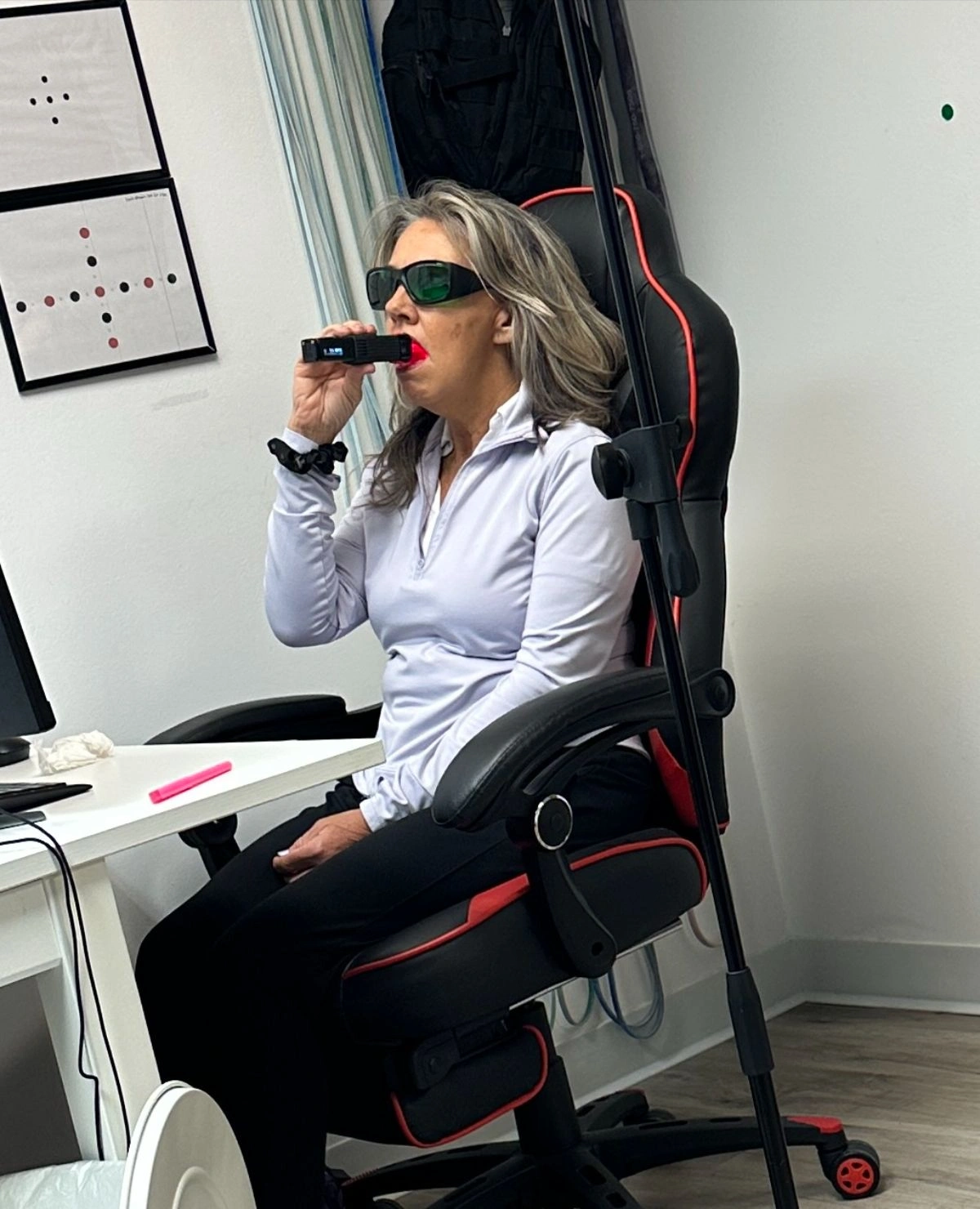
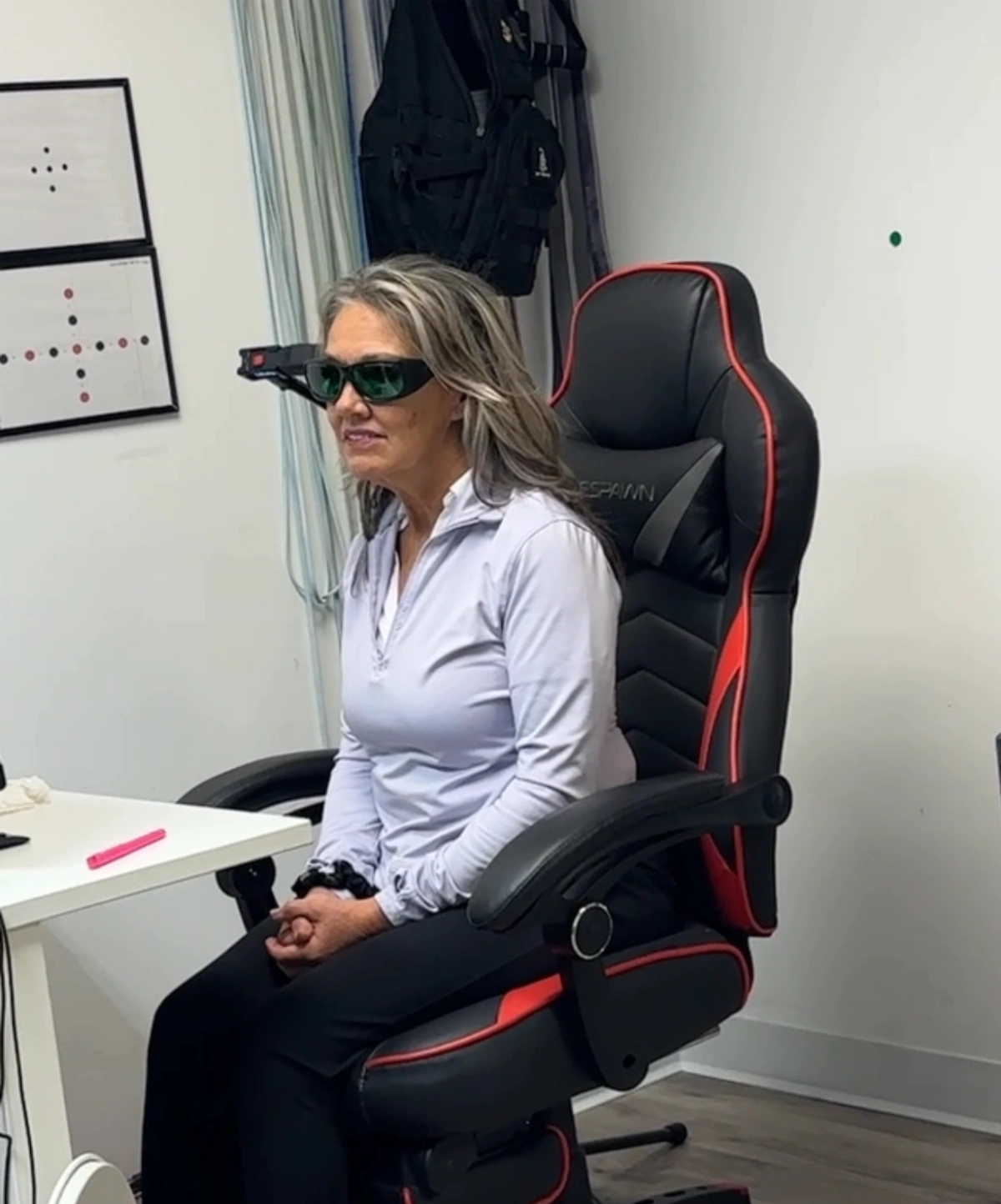
We use videonystagmography, or VNG testing, to evaluate how your eyes respond to head movement. Specialized goggles are worn in the dark while controlled movements are performed.
If your eyes drift when they should remain stable, this may indicate vestibular dysfunction and impaired vestibular ocular reflex function.
This testing helps us determine whether your dizziness or imbalance may be coming from the inner ear, the brain’s balance centers, or both.
Balance Testing
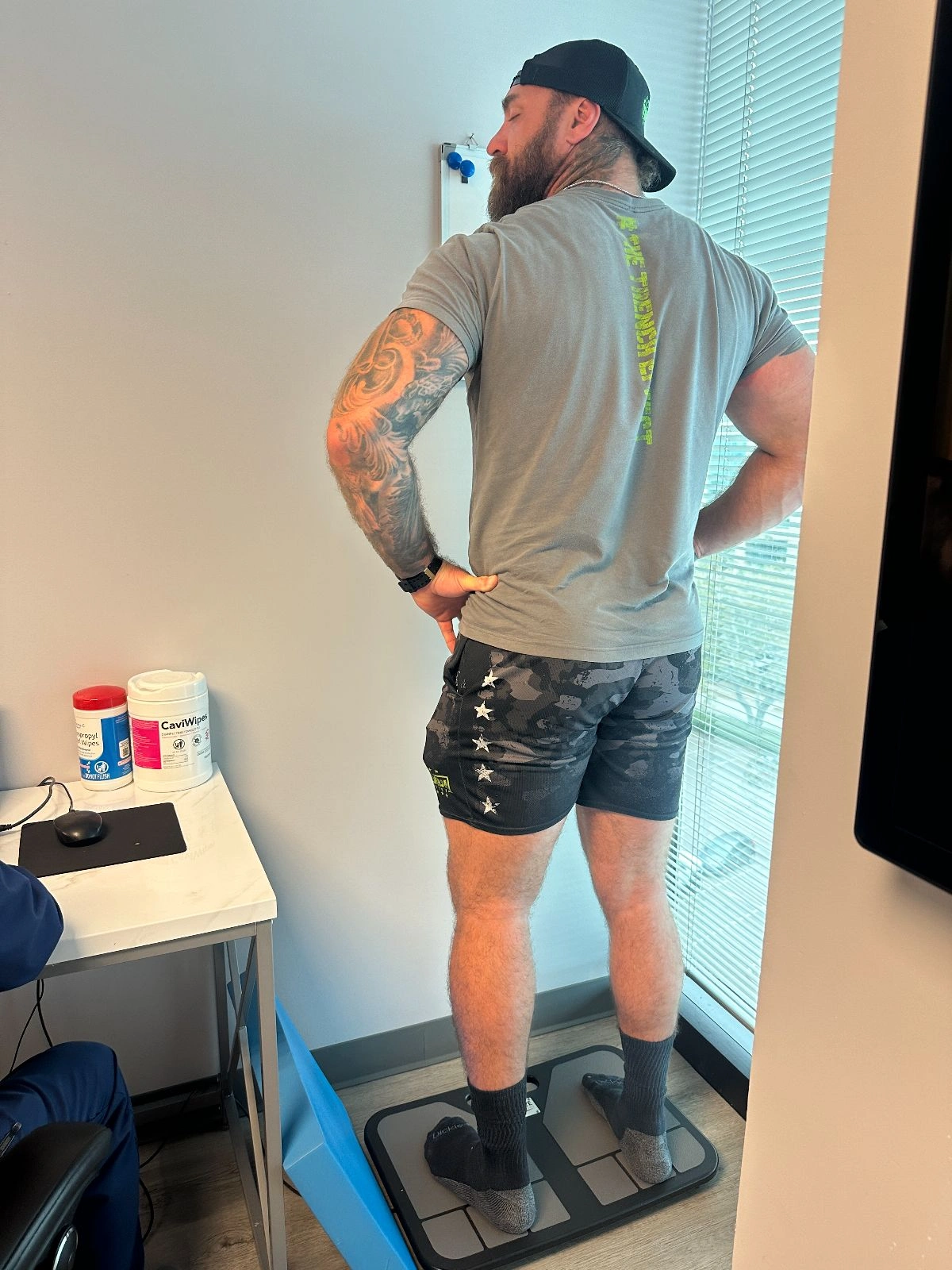
We perform a modified sensory integration balance assessment to evaluate how your body relies on different systems for stability. This includes testing under four conditions:
- Eyes open on a firm surface
- Eyes closed on a firm surface
- Eyes open on a foam surface
- Eyes closed on a foam surface
The final condition isolates the vestibular system by removing visual input and stable surface feedback. If instability appears here, it may indicate vestibular weakness.
Head Position Testing
Oculomotor Assessments
Oculomotor assessments track how your eyes move and process information. This is especially important for anyone dealing with brain fog, concussion or TBI history, dizziness with reading or screen use, or performance issues where visual processing speed and stability matter.
Because your vestibular system and your eye movements work together, eye tracking deficits can contribute to symptoms like gaze instability, motion sensitivity, and headaches.
qEEG Brain Mapping
While vestibular therapy focuses on inner ear and balance pathways, many patients benefit from a broader neurological assessment.
qEEG brain mapping evaluates brain activity patterns to identify areas that may be overactive, underactive, or dysregulated. When symptoms overlap with concussion, trauma, brain fog, or broader neurological concerns, this added layer of insight helps guide a more comprehensive treatment plan.
Diagnostics lead to precision. Precision leads to better care.
These symptoms are common signs of vestibular dysfunction. They are also frequently seen after concussion, with aging related balance decline, or when the vestibular system is not coordinating properly with vision and proprioception.
If these patterns sound familiar, a comprehensive evaluation can help determine whether vestibular therapy should be part of your treatment plan.
What Vestibular Therapy Looks Like
Vestibular therapy is structured, targeted, and guided by your diagnostic findings.
Depending on what your evaluation reveals, vestibular therapy in Tampa may include:
- Gaze stabilization exercises to strengthen visual focus during head movement
- Vestibular ocular reflex training to improve coordination between your eyes and inner ear
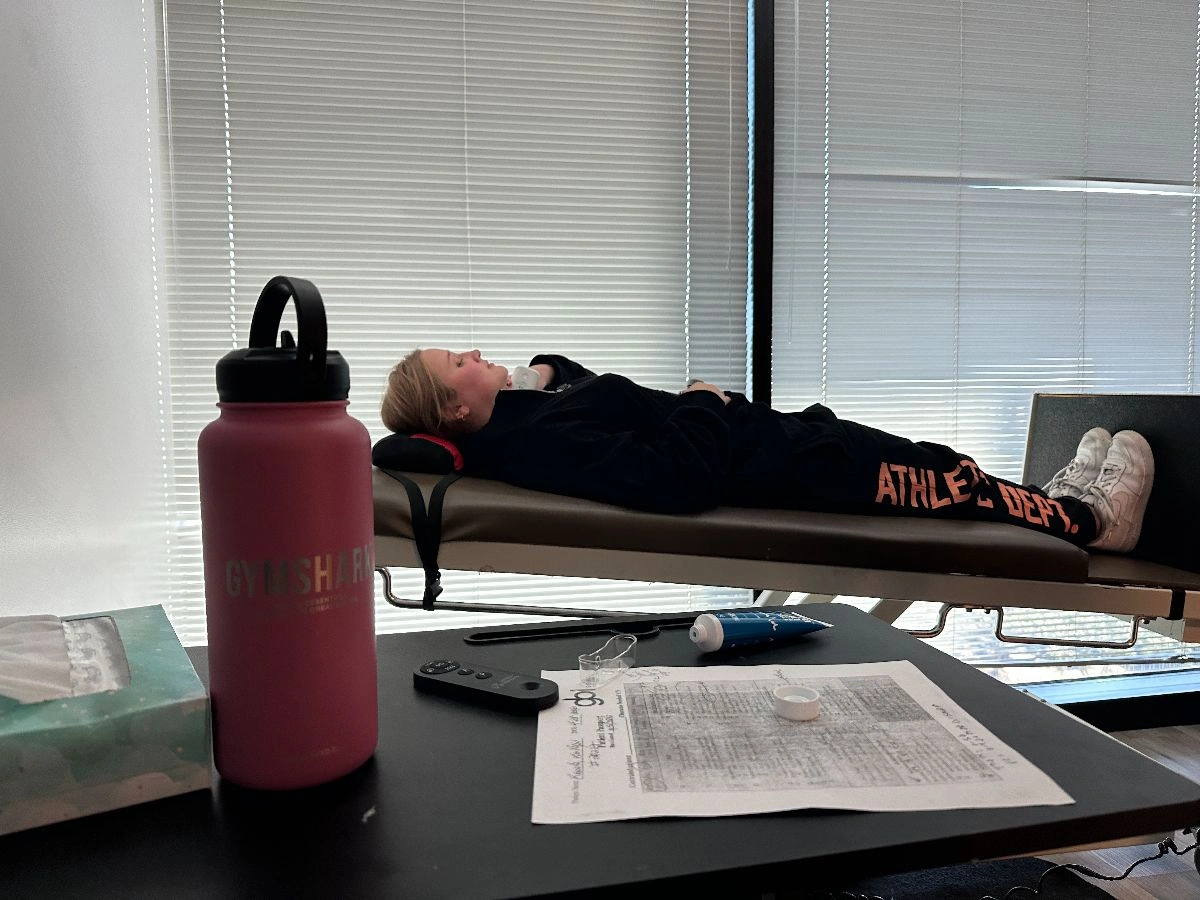
- Balance platform training to improve stability under different sensory conditions
- Controlled movement stimulation to recalibrate motion perception
- Targeted head and eye coordination exercises to restore smooth, stable tracking
- In office under clinical supervision
- At home with guided exercises
- In coordination with physical therapy when appropriate
Our Multi Modal Approach to Vestibular Therapy in Tampa
Vestibular therapy is often one important piece of a larger neurological treatment plan.
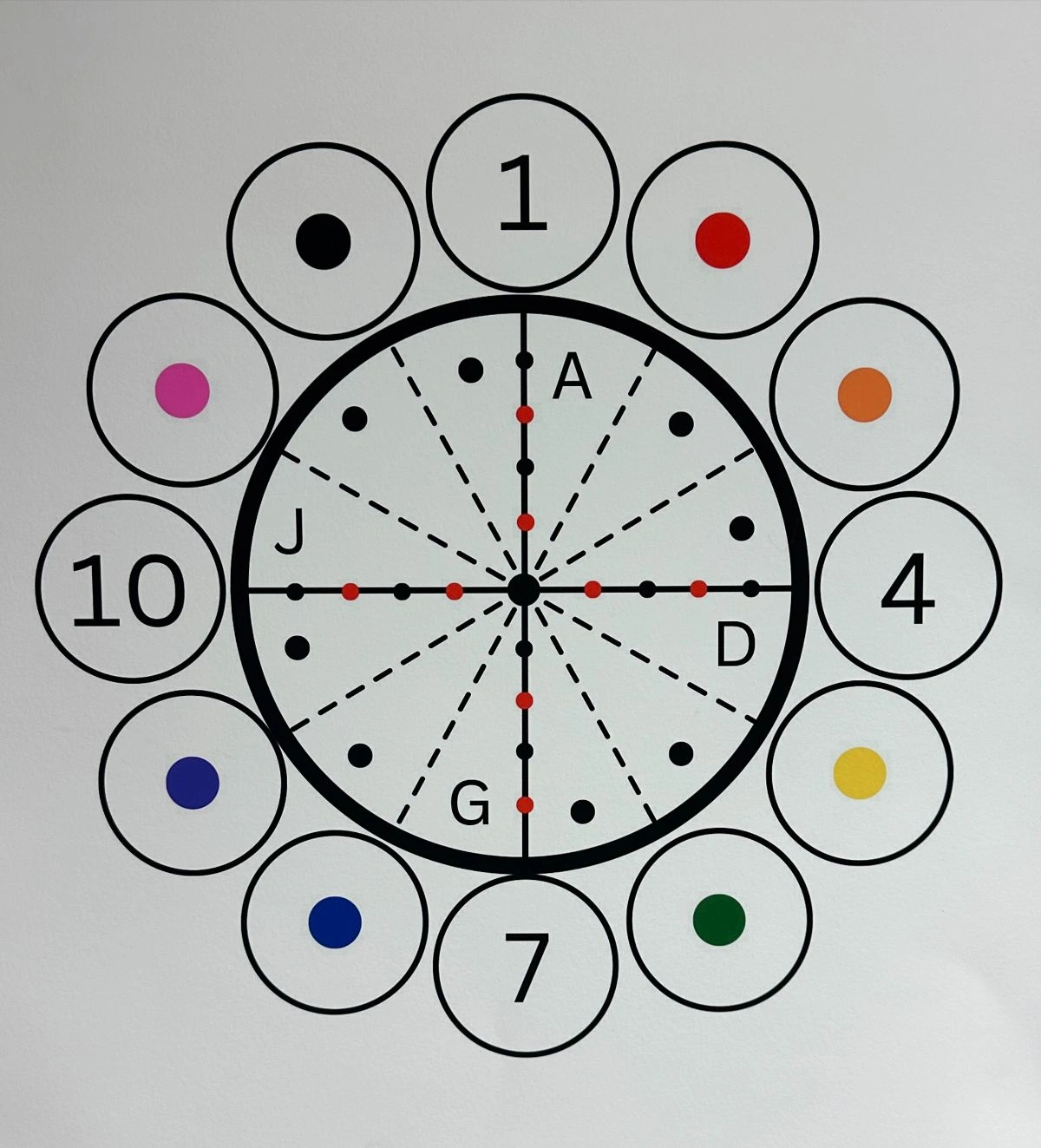
While some clinics focus only on balance exercises, we look at how the entire nervous system is functioning. Dizziness, vertigo, imbalance, and motion sensitivity rarely exist in isolation. The vestibular system must communicate effectively with the brain, visual system, and proprioceptive pathways.
At Genesis Brain Institute, vestibular therapy in Tampa is integrated within a broader Functional Neurology framework when appropriate.
Depending on your diagnostic findings, treatment may include:
- HBOT Hyperbaric Oxygen Therapy to support the brain’s recovery environment. Oxygen is critical for cellular energy production and neural repair. When symptoms overlap with concussion or neurological stress patterns, improving oxygen delivery can help support metabolism, circulation, and the brain’s natural healing processes.
- Neurofeedback to support brain regulation and improve network stability
- Biofeedback to enhance autonomic regulation and stress resilience
- Proprioceptive therapies to strengthen body awareness and balance integration
- Targeted brain based interventions designed to improve communication between balance centers and higher level processing areas
When vestibular rehabilitation is combined with these complementary therapies, we are not simply addressing dizziness. We are supporting the systems that allow balance, coordination, visual stability, and cognitive clarity to work together.
This multi modal approach is what allows care to be customized rather than generic.
Frequently Asked Questions About Vestibular Therapy
Is vestibular therapy safe?
We cannot guarantee anything, but we do frequent assessments to ensure we are on the right track or that we modify or further customize the treatment plan.
How long does vestibular therapy take?
The length of care depends on the underlying cause and the severity of dysfunction. Concussion related vestibular symptoms may improve more quickly. Long standing imbalance or age related decline may require longer support.
Can vestibular therapy help vertigo?
Yes, when vertigo is caused by vestibular dysfunction, targeted vestibular rehabilitation can help retrain the affected pathways and improve stability.
Can vestibular therapy help headaches?
If headaches are related to unstable eye movements, motion sensitivity, or vestibular dysfunction, targeted rehabilitation may help reduce visual strain triggers.
Do I need testing before starting vestibular therapy?
A proper evaluation helps identify the root cause of dizziness or imbalance. Advanced diagnostics such as VNG testing in Tampa, balance testing, oculomotor assessments, and qEEG brain mapping provide objective data before therapy begins.
Do I need a referral?
In most cases, you do not need a referral to begin the diagnostic process. Our team will guide you through the appropriate next steps based on your evaluation.
Traveling for Vestibular Therapy in Tampa
Genesis Brain Institute is conveniently located in the Rocky Point business district, just minutes from Tampa International Airport.
For patients traveling for vestibular therapy in Tampa, nearby accommodations include:
- The Westin Tampa Bay
- DoubleTree by Hilton Tampa Rocky Point Waterfront
Our proximity to Tampa International Airport makes it convenient for out of town patients seeking advanced diagnostics and integrated neurological care.
When to Seek Vestibular Therapy in Tampa
You should consider a vestibular evaluation if:
- You feel dizzy regularly
- You experience vertigo or spinning sensations
- You are afraid of falling
- You avoid movement because of nausea
- You struggle with balance after a concussion
- You feel unsteady in the dark or on uneven surfaces
These symptoms are common signs of vestibular dysfunction. They are also not something you simply have to accept as normal aging or “just stress.”
If your balance feels unreliable or your world feels like it shifts when it should not, it may be time to look deeper.
Take the First Step Toward Stability
Vestibular dysfunction can quietly shrink your world.
You may stop moving freely.
You may avoid stairs.
You may hesitate in crowded environments.
You may think twice before turning your head too quickly.
Over time, confidence fades.
Vestibular therapy in Tampa is designed to restore stability, rebuild coordination, and improve clarity in movement.
At Genesis Brain Institute, we begin with advanced diagnostics through our Quant360 Functional Analysis to understand what is happening beneath the surface. Then we design a targeted vestibular rehabilitation plan, often integrated within a broader neurological approach when appropriate.
If you are searching for vestibular therapy because something feels off, you are not imagining it.
There is a reason for what you are feeling.
Reach out to schedule a diagnostic evaluation and learn whether vestibular therapy may be part of your path forward.
Improved vestibular function can help reduce dizziness and balance challenges, as well as encourage better perception of the environment possibly leading to decreased anxiety and improved awareness.