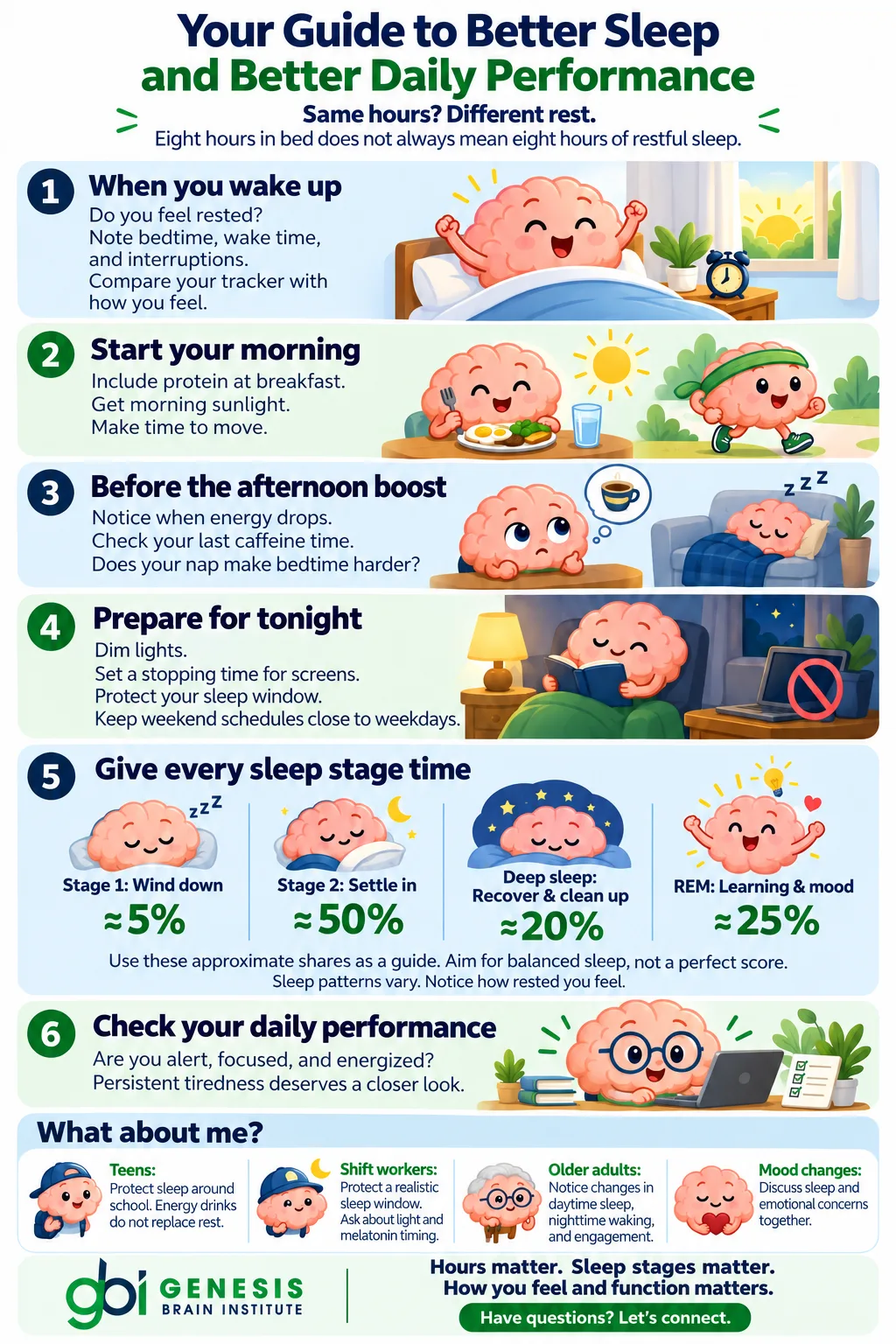
Sleep and brain function affect how you think, feel, and perform. But could the habits you use to get through the day be making tomorrow harder?
Does an afternoon nap help you recover or make tonight’s sleep worse? What about that energy drink for a quick pick me up? And if your watch says you slept well, why do you still feel tired?
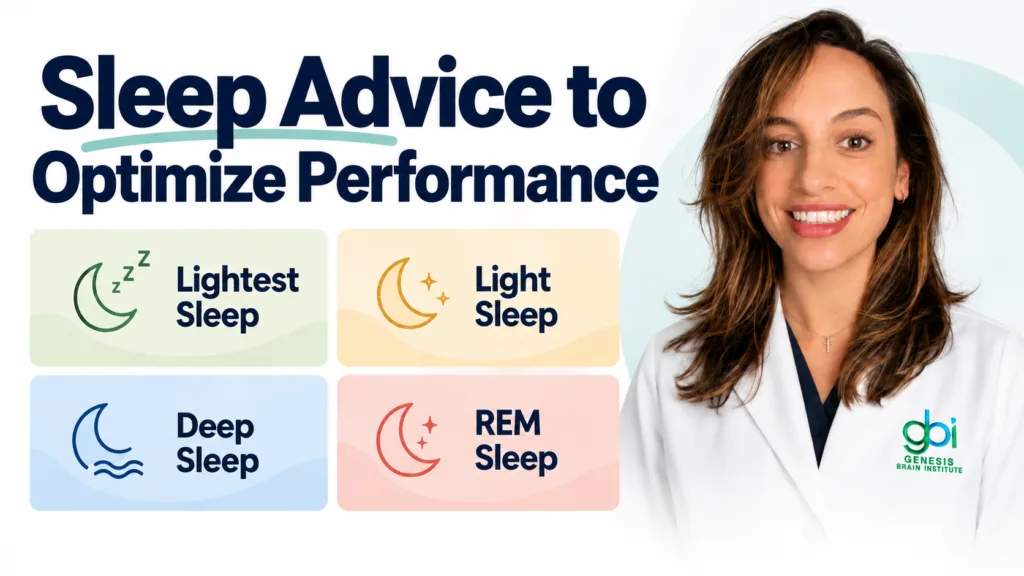
We brought these questions to Gabriela Vieira, a board-certified physician assistant and retired U.S. Army veteran at Genesis Brain Institute in Tampa.
Her advice goes beyond getting more hours. Understanding your sleep, and the habits that shape it, could be a powerful starting point for clearer thinking, better energy, and more productive days.
What Does Your Brain Do While You Sleep?
Your eyes close. The room goes quiet. But your brain still has work to do.
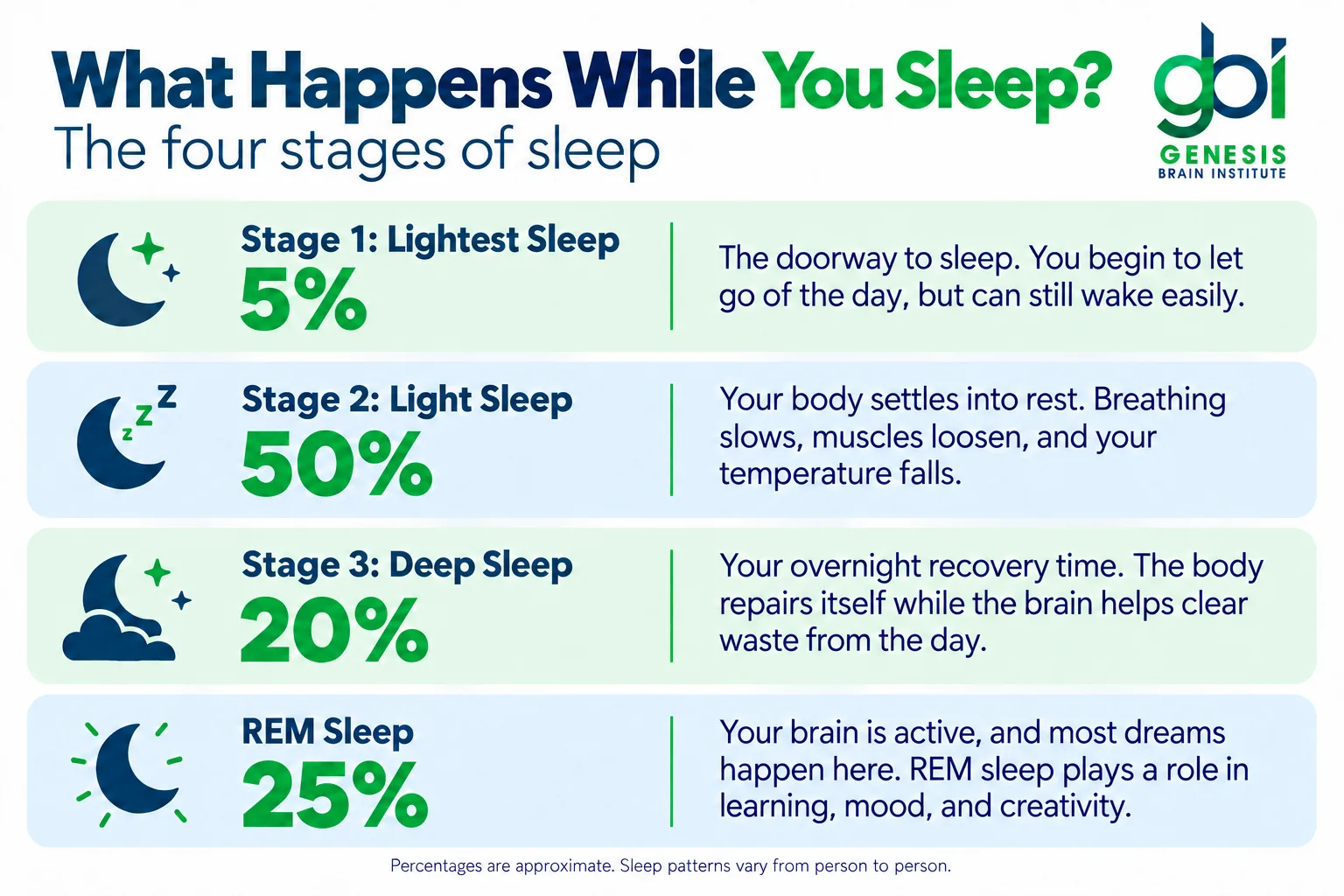
Gabriela explained that sleep moves through repeating cycles, each lasting roughly 90 to 120 minutes. Within those cycles, you pass through stages that serve different purposes. Here’s the simple breakdown from the sleep guide she shared:
Sleep stage | Approximate share of sleep | What happens |
Stage 1: Lightest sleep | 5% | You drift into sleep. Muscles relax, and breathing and heart rate begin to slow. |
Stage 2: Light sleep | 50% | Your body temperature drops, muscles relax further, and brain activity changes. |
Stage 3: Deep sleep | 20% | This stage supports physical repair, hormone regulation, immunity, and the brain’s cleanup process. |
REM sleep | 25% | Most dreams happen here. This stage plays a role in learning movement skills, mood, and creativity. |
These percentages are a general guide. Gabriela emphasized that patterns vary from person to person.
So, should you try to get as much deep sleep as possible?
“You need a little bit of each,” Gabriela explained.
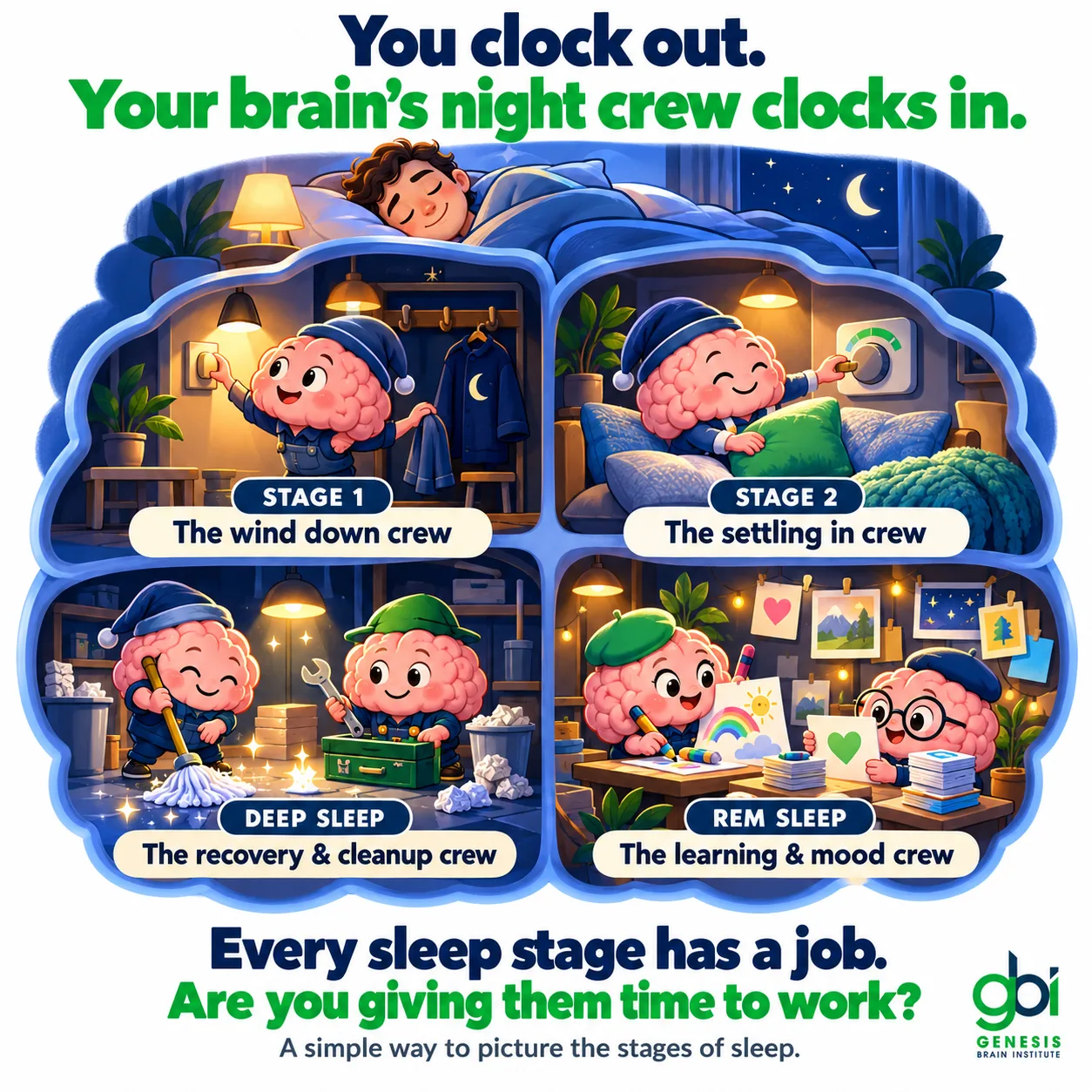
Think of an overnight team with different jobs. Some help with repair. Others support learning and emotional processing. Each has a role, which is why light sleep deserves a place alongside deep sleep and REM.
One of the most interesting jobs happens during deep sleep. Gabriela described the brain’s cleanup process as a “wash cycle.” A system called the glymphatic system helps clear waste left behind by brain activity. That gives you a new reason to care about what happens after you fall asleep.
The timing changes through the night, too. Gabriela explained that deep sleep tends to be more common earlier in your sleep period, while REM becomes more prominent later.
That raises a useful question: when you cut your night short, which part of that overnight work are you cutting short with it?
How Can I Tell If I’m Getting Enough Sleep?
Your watch gives you a sleep score. Your body gives you a different report. Which one should you listen to?
Gabriela shared a common example: someone’s app says they got eight hours of sleep, but they’re still tired throughout the day.
“We go with what the patient says,” she explained.
The data can help, but it should open a conversation. If you wake up exhausted, a good score doesn’t explain why.
Ask Better Questions About Your Sleep
Gabriela suggested looking beyond “How many hours did I get?” Start with these questions:
- Did I wake up feeling rested?
- How often did I wake during the night?
- What time did I go to bed and get up?
- Does my sleep schedule change on weekends?
- Is tiredness getting in the way of my day?
Your answers reveal patterns a single number can miss. Eight hours in bed with frequent interruptions is a different experience from a steady night of sleep.
You can also make “rested” easier to track. Gabriela suggested a simple scale, from feeling ready for the day to feeling like you could go straight back to sleep. Write that down alongside your bedtime and waking time for a week. You’ll have something useful to bring to a clinical conversation.
What If Your Deep Sleep Number Looks Low?
During our conversation, I shared that my watch showed about 11% deep sleep. Compared with the guide Gabriela had shown me, that looked low.
Her first question was how I felt in the morning.
I told her I usually woke up feeling energized. She considered that alongside the number rather than treating the percentage alone as the whole story.
The takeaway: use your sleep data to spot patterns and ask questions. Pay attention when you feel tired, even if your tracker says everything looks great. Likewise, bring an unexpected number into context before letting it worry you.
Why Am I Still Tired After Sleeping All Night?
You wake up feeling great. By 1 p.m., your energy is gone. Should you sleep longer, take a nap, or grab an energy drink?
When I asked Gabriela about my afternoon slump, she wanted to look at how I started my day.
Your Afternoon Energy Starts With Your Morning Habits
Gabriela highlighted four things to check:
- Protein at breakfast. She emphasized its role in energy throughout the day. Look at your usual breakfast. Does it include a protein source, such as eggs or plain Greek yogurt?
- Early morning sunlight. Are you getting outside, or going straight from your house to your car to an indoor workspace?
- Physical activity. Does your morning include movement? Consider taking your morning break outside for a walk.
- Caffeine habits. Notice how much you drink and when. An afternoon coffee may affect the sleep you’re counting on tonight.
These details give you something useful to examine before automatically reaching for a nap or another drink.
What If You Wake Up Exhausted?
Gabriela takes a closer look at what could be interfering with your rest. Pain that hasn’t been managed, nighttime interruptions, changing schedules, and your natural sleep rhythm all belong in that conversation.
For example, feeling alert late at night while needing to report to work early creates a different challenge from waking repeatedly because of pain. The plan needs to fit the problem.
If you’re sleeping longer but still feeling drained, bring that up too. Gabriela discussed how mood concerns and sleep problems can overlap. More time in bed may leave the underlying issue unanswered.
Good Sleep for Brain Health: Habits Worth Changing
Does a nap help or hurt? Can you drink coffee at night if you still fall asleep? Gabriela walked through the everyday choices that can shape your sleep.
Is It Okay to Stay Up Late on Weekends?
Going to bed at 10 p.m. during the week and 2 a.m. on Saturday creates a big swing in your schedule.
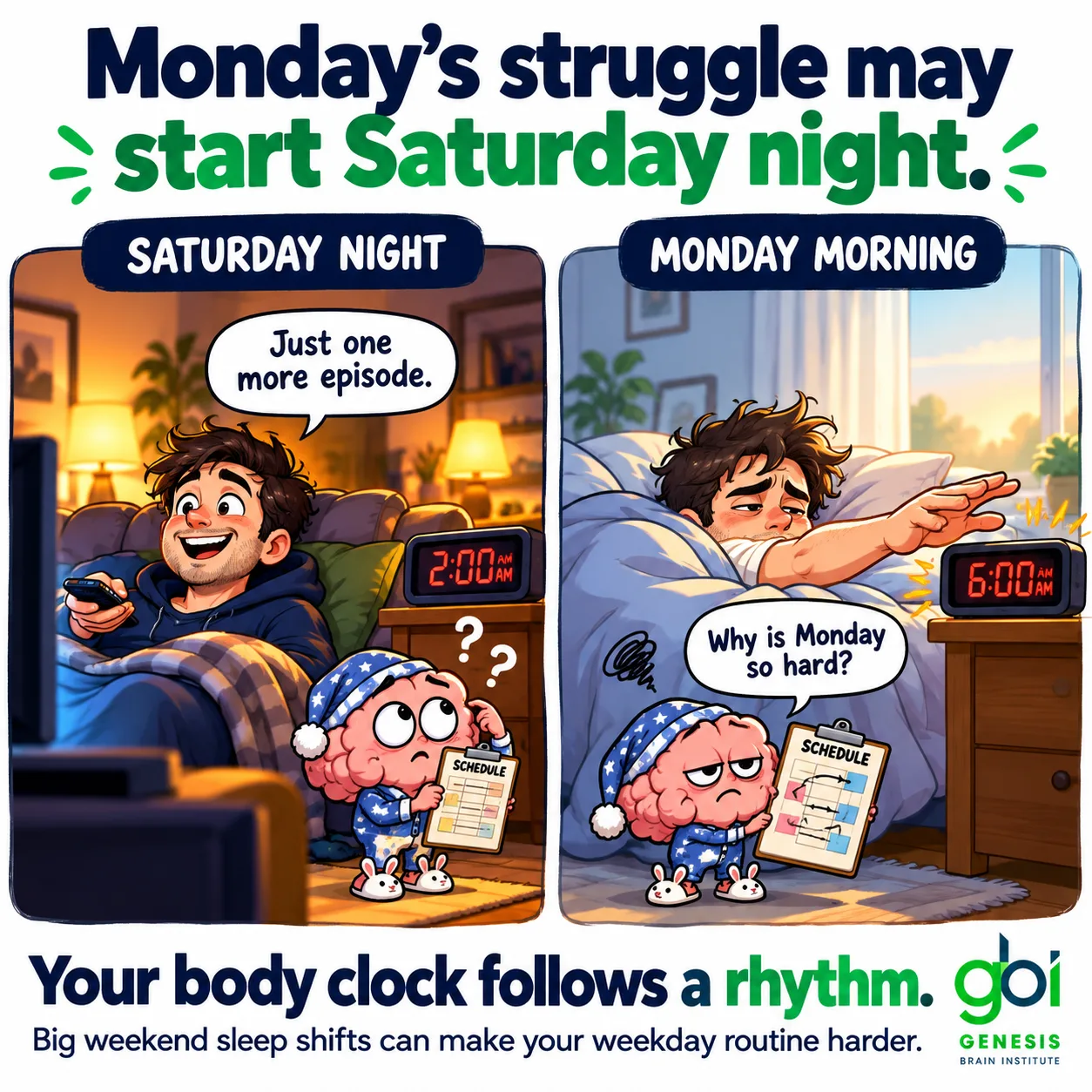
When I asked how much flexibility she suggests, Gabriela offered about an hour, especially for someone already having sleep problems. Start by keeping your bedtime and waking time closer together throughout the week.
What Time Should I Stop Drinking Caffeine?
Gabriela pays attention to your last cup, not just how many you drink. Caffeine can stay in your system for hours, so an afternoon pick me up may reach into tonight’s sleep.
Include coffee, tea, soda, and energy drinks when looking at your intake. If you struggle with sleep, discuss an earlier cutoff with your provider.
What if you can drink an espresso and go straight to bed? Gabriela explained that being able to fall asleep doesn’t tell you everything about how caffeine affects your sleep stages.
Is It Okay to Take a Nap During the Day?
Gabriela described roughly 20 minutes as a sweet spot for some people. Her bigger concern was long naps that interfere with nighttime sleep or leave you groggy.
Notice what happens afterward. Does a two hour afternoon nap push your bedtime later? Are you lying awake when you normally feel sleepy?
Record when you nap, how long you sleep, and how that night goes. That helps you see whether the nap fits your routine or makes sleeping at night harder.
Does Using My Phone Before Bed Affect My Sleep?
Gabriela emphasized that light sends a powerful signal to your body’s clock. A bright screen at night can work against the wind down you need.
The content matters to your routine, too. A quick check can become another hour of scrolling.
Set a stopping time for your phone, dim your room’s lights, and give yourself a repeatable way to settle down. Try charging your phone away from the bed if reaching for it has become automatic.
Why Isn’t Melatonin Helping Me Sleep?
Gabriela explained that melatonin helps adjust the body’s sleep and wake rhythm. When you take it matters, along with the sleep problem you’re trying to address.
Before assuming you need more, tell your provider:
- What time you take it.
- How much you take.
- Whether you struggle to fall asleep, stay asleep, or sleep around a changing work schedule.
- What other medications or sleep products you use.
Those details can help your provider understand why your current approach isn’t giving you the result you hoped for.
How Does an Irregular Sleep Schedule Affect Your Brain?
You keep a bedtime during the week, then stay up several hours later on weekends. The total hours might look similar. So why pay attention to the schedule?
Gabriela explained that your body has a sleep and wake rhythm. Large changes in timing can disrupt that rhythm. You may find yourself wide awake when you need to sleep, then tired when it’s time to get up.
Pay attention to what happens after a schedule change. Does staying up Saturday leave you struggling to fall asleep Sunday night? Does Monday morning become harder? Those patterns help you see how your routine affects your day.
What If My Work Schedule Makes Regular Sleep Impossible?
For nurses, first responders, military members, and others working changing shifts, “keep a regular bedtime” can sound impossible.
Gabriela understands that challenge from her military experience. She discussed how overnight work changes your exposure to light and makes it harder for your body to know when to be alert and when to wind down.
Start with the sleep window you can protect. Look at when you can get an uninterrupted block of rest. Make that room dark, reduce noise, and let your household know when you need to sleep.
Then discuss your shift pattern with your provider, including workdays and days off. Gabriela explained that carefully timed light and melatonin may be considered to help adjust the body’s clock. Timing needs to fit your work and sleep schedule.
The goal is a practical routine built around the hours you actually work.
How Are Sleep and Mental Health Connected?
When you’re struggling emotionally, sleep can change. You might lie awake with your thoughts or spend much longer in bed and still feel exhausted.
Gabriela described sleep and mental health as closely connected. She pays attention to both too little sleep and extended sleep when someone is experiencing depression.
The grid helps explain why more time in bed doesn’t automatically mean more restorative sleep. Each stage has a role, and the pattern matters. REM is involved in mood and emotional processing. Deep sleep supports restoration. Light sleep is part of the cycle, too.
Can Sleeping More Help When I Feel Depressed?
Gabriela explained that someone may sleep more because they feel drained, yet still struggle with their sleep pattern and daytime energy.
That deserves individual guidance. She described using structured behavioral approaches to help patients establish sleep routines, rather than simply telling everyone to spend more time in bed.
If your sleep changes alongside your mood, describe both. Are you lying awake worrying? Sleeping for long periods? Finding it harder to get up and engage with your day?
Those details help your provider understand the relationship. Sleep can be an important part of your mental health care plan, with support built around what you’re experiencing.
Why Do Teenagers Stay Up Late and Struggle to Wake Up?
Your teen says they aren’t tired at bedtime. Yet getting them up for school feels like a daily battle. Why?
Gabriela explained that the body’s sleep timing shifts during puberty. Teens may feel sleepy later, while school still requires an early start. Add homework, activities, and nighttime screens, and their opportunity to sleep gets squeezed.
That’s worth understanding before calling them lazy or unmotivated. Ask what time they put their phone down, when they actually fall asleep, and when their alarm goes off. “In bed by ten” can mean something very different from “asleep by ten.”
Start by protecting their chance to sleep. Agree on a time for devices to charge outside the bedroom, and work backward from their school wake time to build an evening routine.
But what happens when a tired teen still has classes, practice, and homework ahead? They may reach for a quick boost. That’s where our conversation turned to energy drinks.
Can Energy Drinks Make Up for Lost Sleep?
An energy drink doesn’t provide the rest a developing brain needs. Gabriela expressed strong concern about teens using these drinks to push through tiredness.

If grabbing one has become a daily habit, ask what’s driving it. Are they staying up on their phone? Getting home late from activities? Struggling to fall asleep even when they try?
Gabriela suggested connecting better sleep to something teens care about. An athlete may listen when the conversation is about energy at practice. A student may care about staying alert in class or remembering what they studied.
Make the benefit personal: what would better rest help them do?
Why Am I Sleeping More as I Get Older?
You sleep through the night, doze off in the afternoon, and still feel tired. Is that just part of getting older?
Gabriela encouraged looking at whether this is a change from your usual pattern. Spending more time asleep while feeling less alert is worth bringing up with your provider.
Be specific about what “sleeping more” means. Are you going to bed earlier? Staying in bed later? Falling asleep in your chair? Each describes a different pattern.
What If Someone With Memory Problems Sleeps Much of the Day?
During our conversation, I asked about older adults with cognitive decline who spend long periods sleeping.
Gabriela explained that time asleep doesn’t tell us which sleep stages someone is getting. She discussed research exploring the relationship between the deep sleep cleanup process and Alzheimer’s disease.
For families, a short record can make changes easier to explain:
What to notice | What to write down |
Daytime sleep | When they doze off and roughly how long they sleep. |
Nighttime waking | Whether they’re awake, restless, or getting out of bed more often. |
Daily engagement | Whether they’re sleeping through meals, conversations, or favorite activities. |
Recent changes | New medications, changes in medication timing, illness, or changes in routine. |
Bring those observations and a current medication list to their provider. “Dad now sleeps through lunch and is awake much of the night” gives a clearer picture than “Dad sleeps a lot.”
Should I Sleep Longer If I Crash in the Afternoon?
Gabriela distinguished waking up exhausted from waking up energized and fading later. For that second pattern, she looks at daytime habits before assuming more sleep is the answer.
Use the morning habits we covered earlier as your starting point. Then notice what happens around the slump: does it follow a meal, hours of sitting, or a long nap?
Also pay attention to what “tired” feels like. Are you sleepy enough to doze off, physically worn out, or struggling to think clearly? Describe that difference when you ask for help.
The goal is to understand what has changed and what is getting in the way of an active, engaged day. You deserve more than assuming every drop in energy comes with age.
Can You Catch Up on Missed Sleep?
Five hours last night. A two hour nap today. Does that add up to the same thing as seven hours overnight?
I asked Gabriela that question during our conversation. Her memorable response: “You’re not a camel.”
Her point was about treating sleep like something you can store up or piece together without considering how it affects your next night.
Does a Long Nap Make Up for a Short Night?
A nap may leave you feeling more alert, but consider what happens afterward. If you sleep for two hours in the afternoon, then can’t fall asleep until midnight, you may be starting the same pattern again.
Gabriela encouraged looking at why the nighttime sleep window was too short. Was bedtime pushed back by work, television, or scrolling? Did an early shift leave too little time to rest?
The useful change happens where that pattern begins. If you must get up at 5 a.m., plan your evening around that wake time. Decide when tasks need to end so sleep has a protected place in your schedule.
Can I Catch Up on Sleep Over the Weekend?
Sleeping late may feel welcome after a tiring week. But if it leaves you wide awake Sunday night, Monday can begin with another short night.
Notice whether your catch up routine helps you return to a steady schedule or keeps shifting it. Gabriela’s emphasis was on building a nighttime routine you can maintain.
After a disrupted night, ask: “What can I change to give myself enough time to sleep tonight?” That question puts your attention on the next opportunity for rest instead of relying on a weekend rescue.
Sleep and Brain Function: Better Rest, Better Daily Performance
Look back at the four stage sleep grid. Deep sleep supports restoration, physical repair, and the brain’s cleanup process. REM supports learning, mood, and creativity. Both deserve attention when you’re thinking about how to perform at your best.
Are you giving yourself enough time for those stages? What patterns does your tracker show? Most importantly, how do you wake up, and how do you feel as the day unfolds?
The goal is to wake up rested and have the energy to participate in your life. Think clearly at work. Stay engaged in a conversation. Enjoy your family without counting the minutes until you can lie down.
If you’re regularly dragging through the day, that deserves attention. Understanding what is getting in the way gives you a starting point for change. Better rest can show up in the moments that matter: your focus, patience, learning, and energy.
Have questions? Let’s connect. At Genesis Brain Institute in Tampa, reviewing your sleep is part of our Performance Program. We look at your sleep patterns alongside your brain and body function to help build a plan around your goals.
You put effort into your days. Give yourself the support to get more out of them.
Disclaimer: This content is for informational purposes only and does not constitute medical advice. Please consult with a licensed healthcare provider. Genesis Brain Institute is a Brain Treatment Center in Tampa offering non-pharmaceutical solutions that bring clarity, restore function, and offer real hope for those who feel lost, stuck, or simply want more from life.